
To fully enjoy this digital magazine, view on desktop.









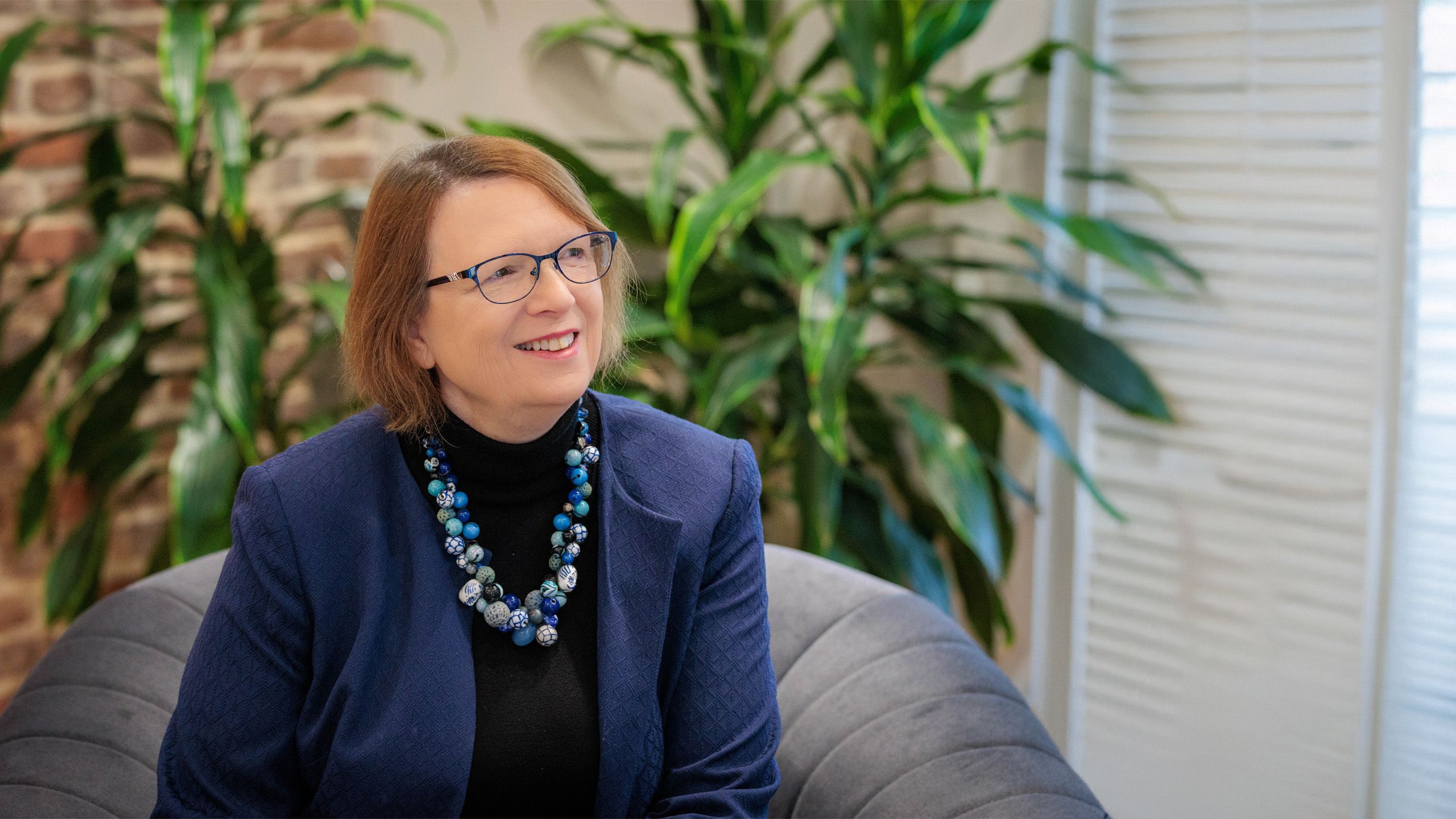
As we launch the first edition of Growing Kentucky, I am reminded of what makes our land-grant mission so powerful: the people of Kentucky. Your voices, ideas and aspirations shape our direction. By listening first, we are co-creating solutions that truly matter.
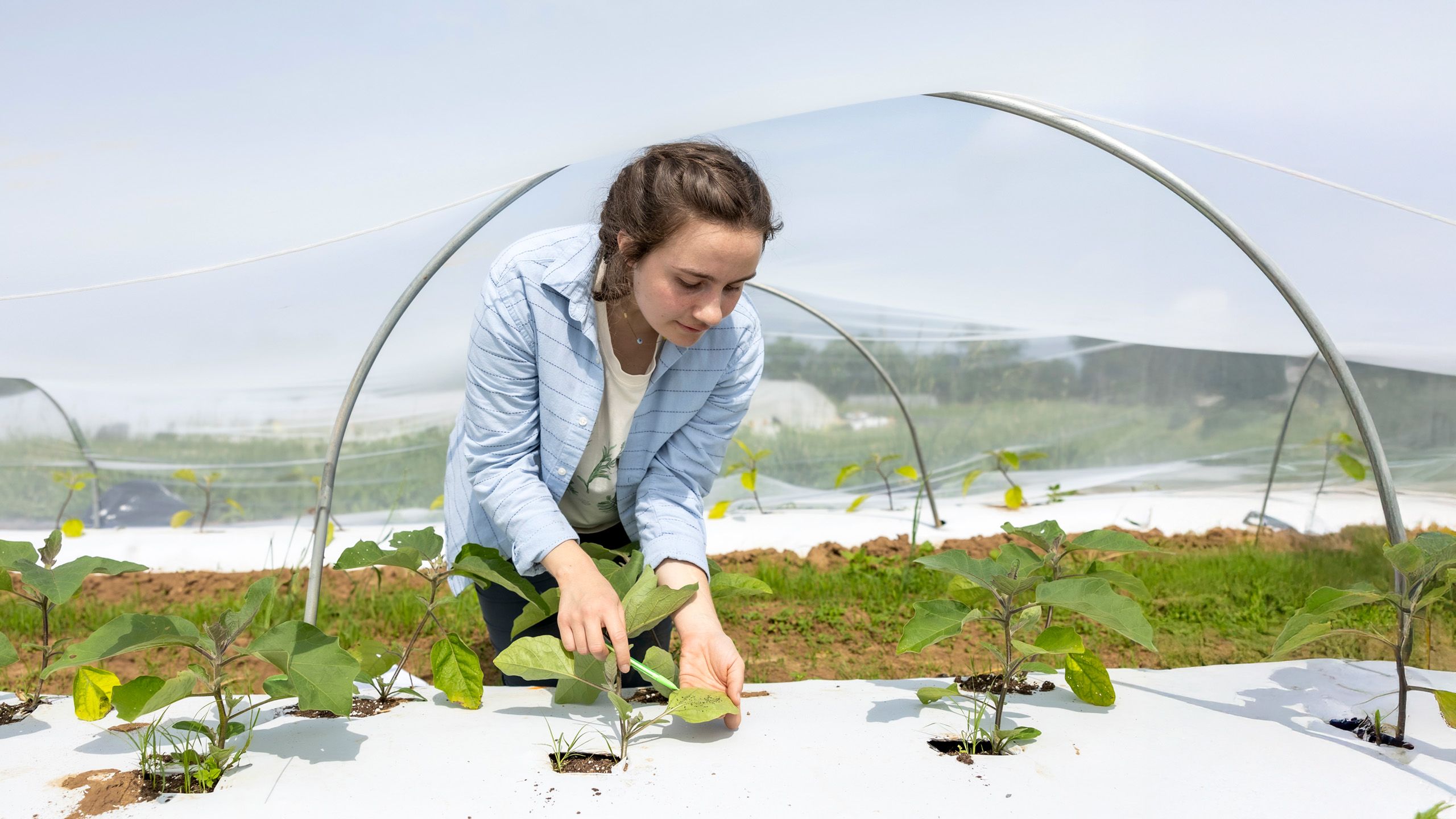
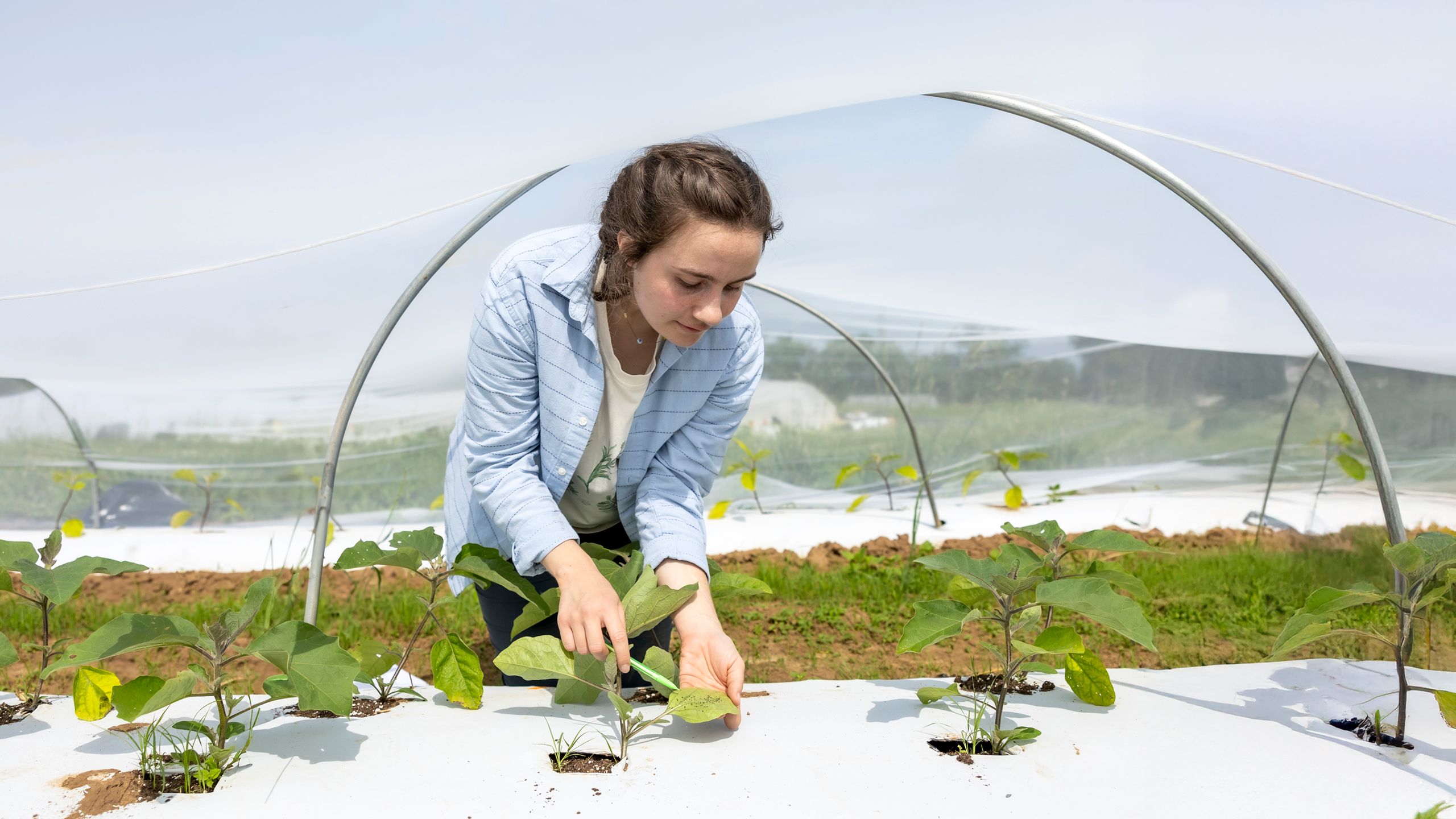
In support of our research, teaching and Extension mission areas, we are creating innovation through local knowledge and strong partnerships. From combating crop disease to preparing students for leadership on the national stage, our work stays rooted in the needs and aspirations of the people we serve.
This edition highlights the breadth of our impact. You’ll read about students conducting hands-on research in forests, farms and labs. You’ll see how faculty and community partners are working side by side, from designing new landscapes in Paris, Kentucky, to safeguarding crops from emerging threats. You’ll glimpse the magic of 4-H camps, the legacy of Princeton’s Research and Education Center, and the future we are building together through the transformational gift of The Bill Gatton Foundation.
Joining campus expertise with community insight is how we create real change in classrooms, farms and neighborhoods across the Commonwealth.
Thank you for being part of this journey. Your partnership is key to helping prepare the next generation of leaders and building a stronger, healthier Kentucky.

Laura Stephenson
University of Kentucky Vice President of Land-grant Engagement
Dean of the Martin-Gatton College of Agriculture, Food and Environment

As we launch the first edition of Growing Kentucky, I am reminded of what makes our land-grant mission so powerful: the people of Kentucky. Your voices, ideas and aspirations shape our direction. By listening first, we are co-creating solutions that truly matter.
In support of our research, teaching and Extension mission areas, we are creating innovation through local knowledge and strong partnerships. From combating crop disease to preparing students for leadership on the national stage, our work stays rooted in the needs and aspirations of the people we serve.
This edition highlights the breadth of our impact. You’ll read about students conducting hands-on research in forests, farms and labs. You’ll see how faculty and community partners are working side by side, from designing new landscapes in Paris, Kentucky, to safeguarding crops from emerging threats. You’ll glimpse the magic of 4-H camps, the legacy of Princeton’s Research and Education Center, and the future we are building together through the transformational gift of The Bill Gatton Foundation.
Joining campus expertise with community insight is how we create real change in classrooms, farms and neighborhoods across the Commonwealth.
Thank you for being part of this journey. Your partnership is key to helping prepare the next generation of leaders and building a stronger, healthier Kentucky.
Laura Stephenson
University of Kentucky Vice President of Land-grant Engagement
Dean of the Martin-Gatton College of Agriculture, Food and Environment
SUPPORTING THE KENTUCKY BEEF INDUSTRY
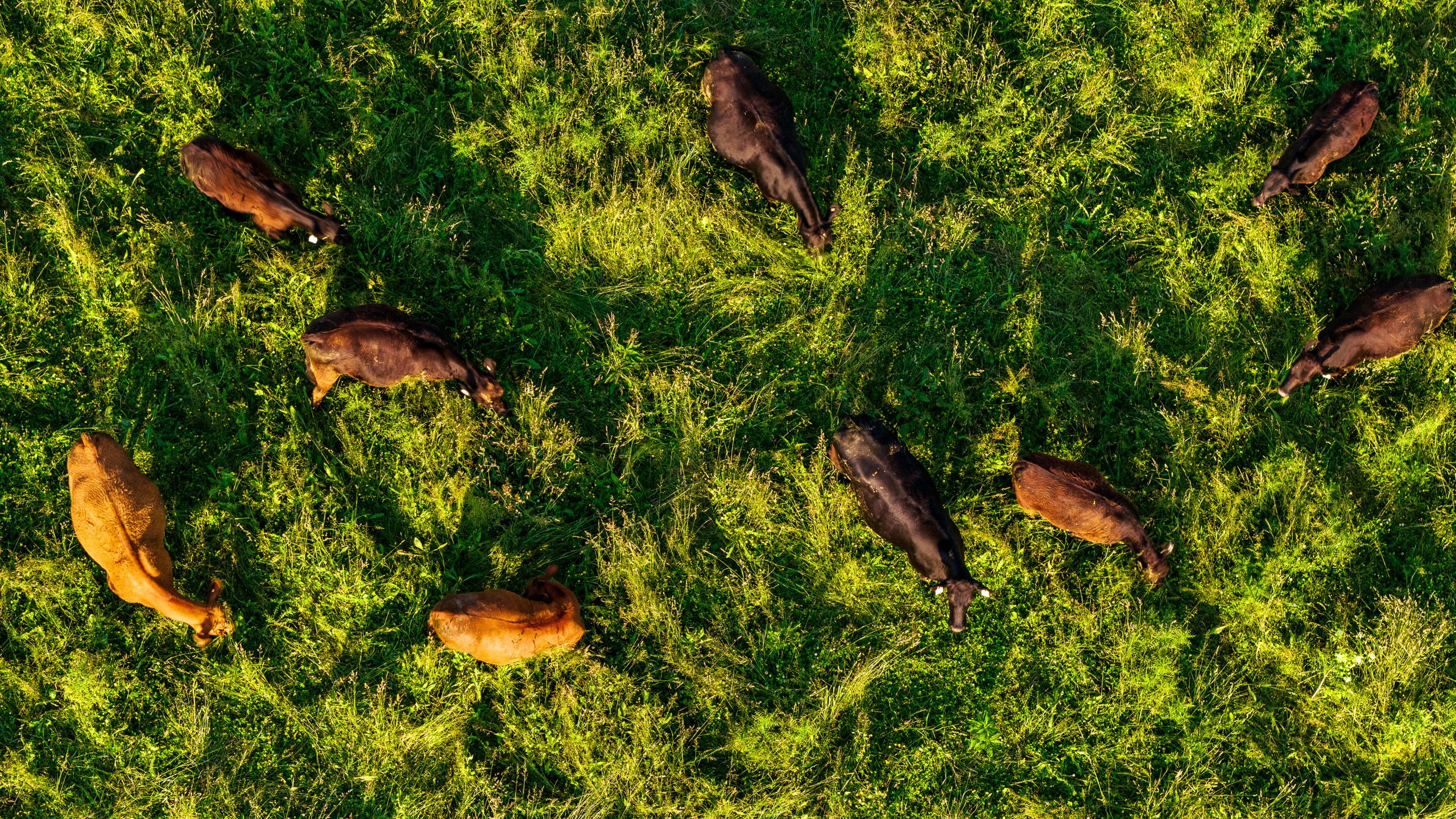
The C. Oran Little Research Center Beef Unit serves as an educational center for Kentucky’s beef producers through research, Extension and instruction. Kentucky has the largest beef cow herd east of the Mississippi and the eighth largest nationally, with approximately one million beef cows. Beef cattle provide our primary means of converting Kentucky’s seven million acres of pasture and forage into useful products.

SUPPORTING THE KENTUCKY BEEF INDUSTRY
The C. Oran Little Research Center Beef Unit serves as an educational center for Kentucky’s beef producers through research, Extension and instruction. Kentucky has the largest beef cow herd east of the Mississippi and the eighth largest nationally, with approximately one million beef cows. Beef cattle provide our primary means of converting Kentucky’s seven million acres of pasture and forage into useful products.
PHILANTHROPY
PHILANTHROPY




A Legacy Like No Other
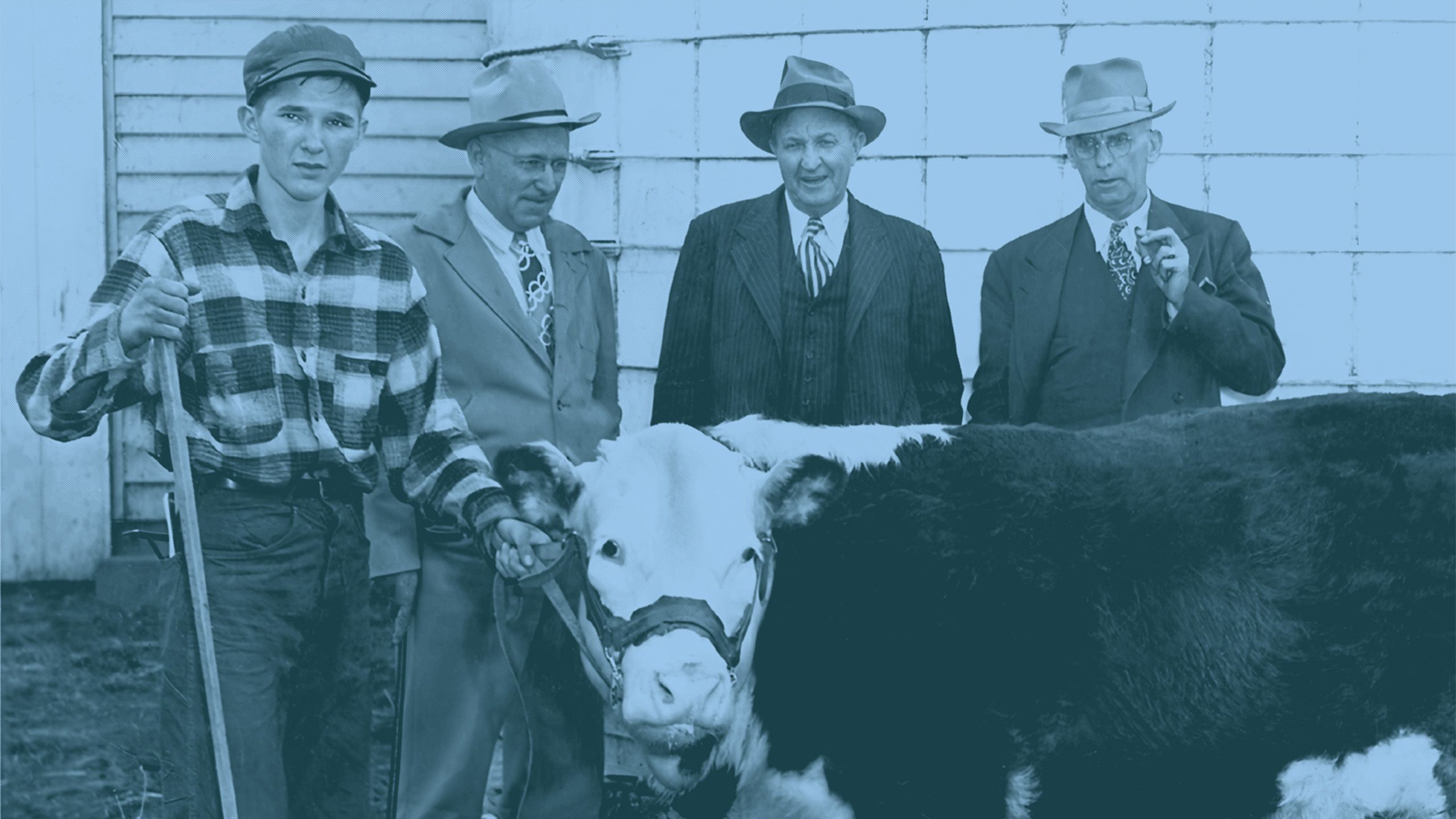
In May 2023, University of Kentucky alum and former trustee Carol Martin “Bill” Gatton bestowed a transformative $100 million gift through The Bill Gatton Foundation. It is the largest gift to the university in its history.
Raised on a Muhlenberg County farm that his grandparents founded nearly 200 years ago, Mr. Gatton’s roots were firmly planted in the agricultural community of Kentucky. In celebration of those roots and two of the most influential people in his life, parents Edith Martin and Harry W. Gatton Sr., the college now proudly bears the name Martin-Gatton College of Agriculture, Food and Environment.
The gift has four areas of support, representing Mr. Gatton’s values: agriculture and rural communities, educating future generations of Kentuckians, the powerful human-animal bond, and a spirit of innovation and love for UK.
"Thanks to The Bill Gatton Foundation, our college has been empowered to dream bigger and do more for the people of Kentucky. Everywhere I look, I see the ripple effects. This gift is helping us grow our impact and strengthen our mission and is opening new doors for students, communities and people we serve in the Commonwealth."

Scholarships and Other Initiatives for Student Success
The commitment to supporting the next generation of Kentucky leaders is clearly demonstrated through The Bill Gatton Foundation’s generous investments in student success.
The Bill Gatton Foundation Scholarship is increasing entry and affordability for more UK students, while The Bill Gatton Foundation Dietetics Scholarship Fund, created in 2024 through a gift to UK’s Barnstable Brown Diabetes Center, is providing more scholarship opportunities to graduate students enrolled in the Master of Science in Nutrition and Food Systems program.
Since its inception, 81 students have been recognized as The Bill Gatton Foundation Scholars.
The Bill Gatton Foundation Undergraduate Research Awards provide funding to fuel undergraduate student research experiences. From 2023 to 2025, 46 students have been recognized as The Bill Gatton Foundation Research Scholars.
Because of The Bill Gatton Foundation Scholarship, Hunter Hardin, a UK graduate student in Nutrition and Food Systems, said he was able to pursue his dietetic internship while alleviating some of college’s financial hurdles. Today, Hardin is on track to achieve his career goal of becoming a registered dietitian.
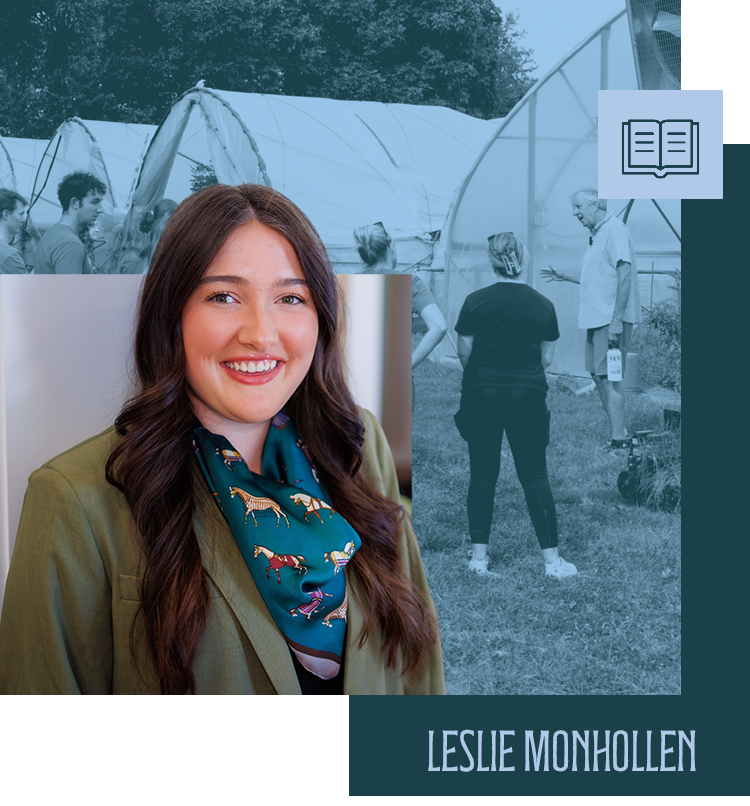
As a Bill Gatton Foundation Scholar, agricultural education and advocacy student Leslie Monhollen shared that she was able to “take a breath,” get more involved on campus and meet new people. In the future, Monhollen hopes to support other students’ education to help them reach their goals.
Companion Animal Program
The Higgins-Neyland Companion Animal Program is advancing care, connection and innovation through companion animal partnerships. Established in honor of Mr. Gatton’s beloved pets, Higgins and Neyland, the program celebrates and promotes the profound value of the human-animal bond.
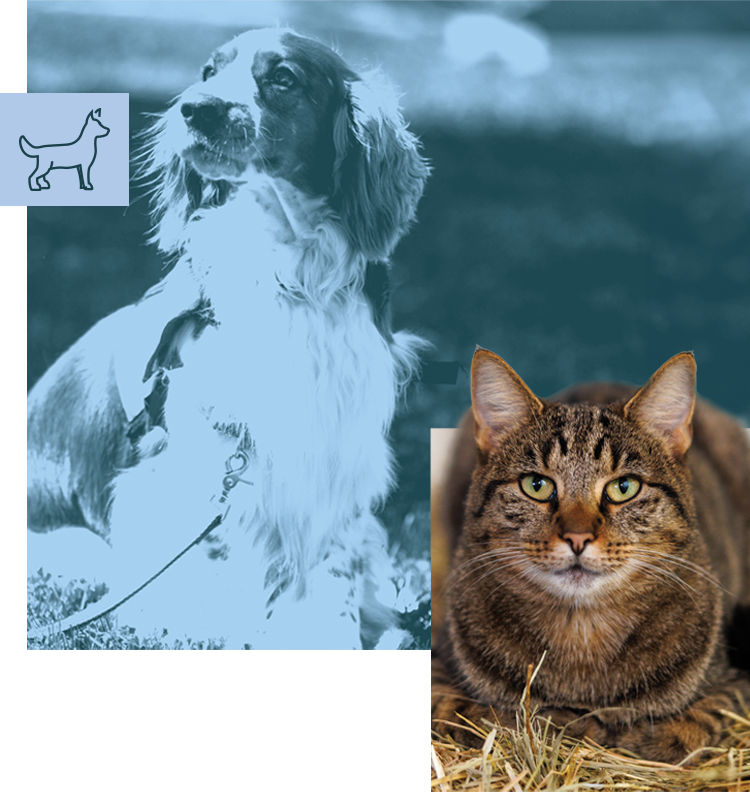
The new Companion Animal Studies undergraduate certificate program will provide UK students with a comprehensive understanding of the roles and significance of companion and working animals in society.
The Canine Research and Engagement (CaRE) program, a partnership with UK HealthCare collaborators, will create a sustainable framework supporting research, education and outreach focused on the human-animal connection. The Interprofessional Leaders in Equine-assisted Delivery (iLead) project, in collaboration with the UK College of Nursing, will integrate horses into therapy and healthcare professional development.



21st Century Capital Projects and New Initiatives Fund
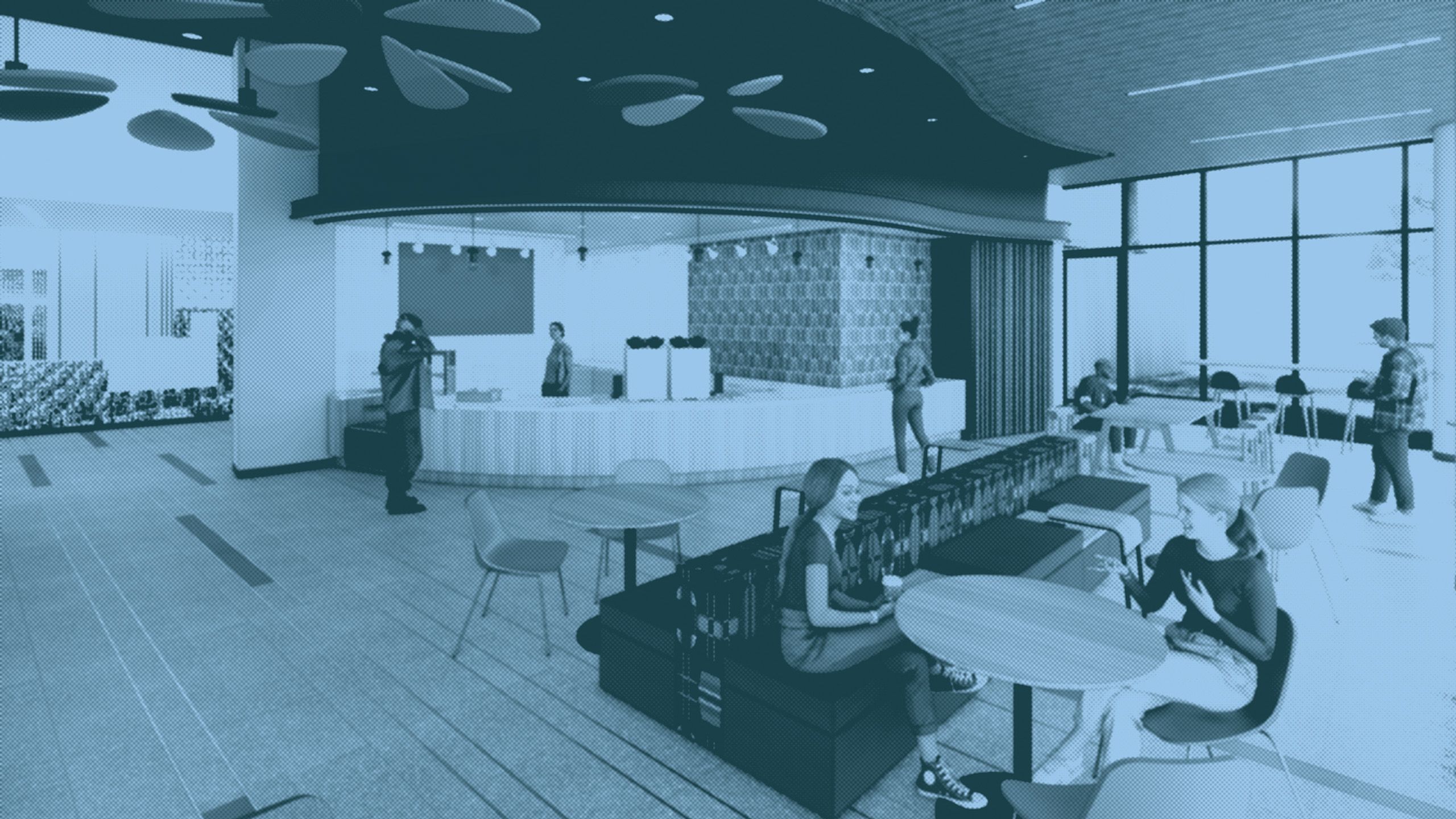
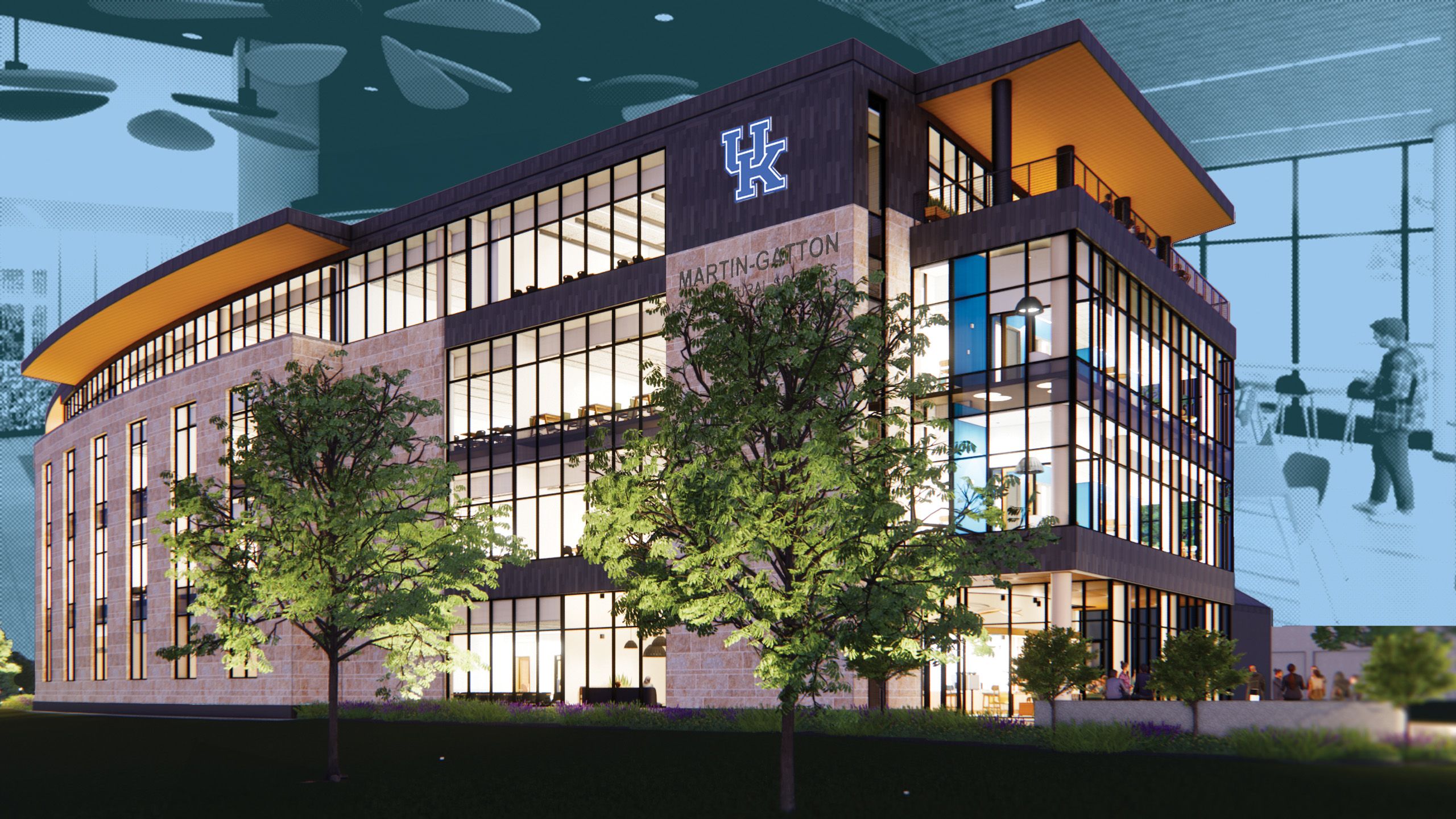
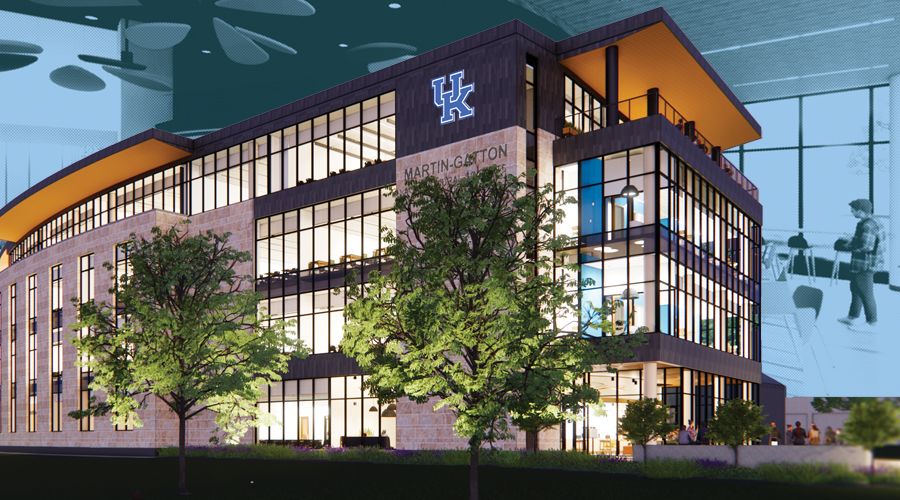
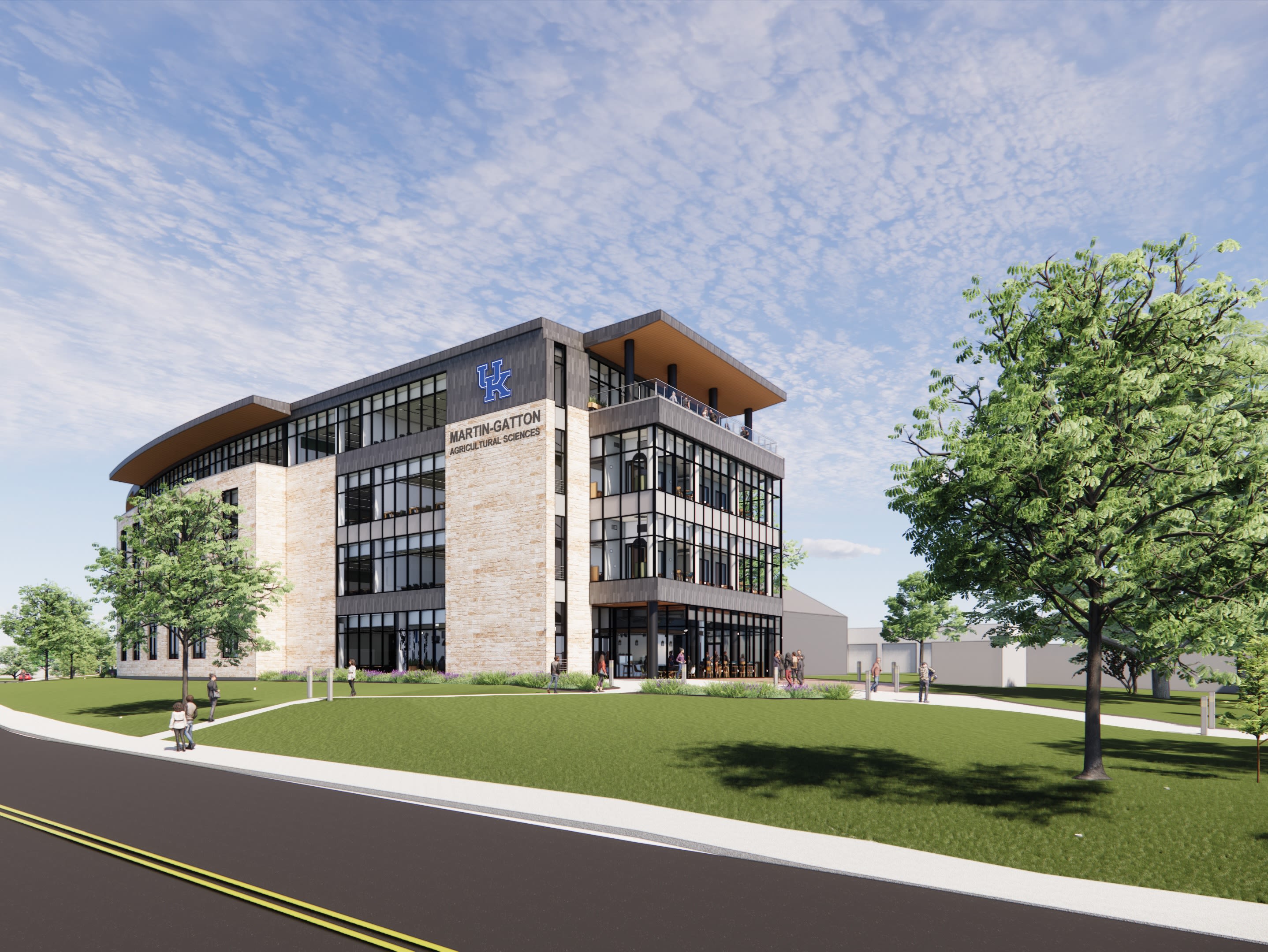
Slated to open in 2026, the new Martin-Gatton Agricultural Sciences Building will serve as the college’s primary hub for teaching, housing the Center for Student Success and supporting new academic programs.
The Martin-Gatton Agricultural Sciences Building is the first step in transforming the campus — reinforcing Mr. Gatton’s commitment to elevating academic success and student excellence.

21st Century Capital Projects and New Initiatives Fund
Slated to open in 2026, the new Martin-Gatton Agricultural Sciences Building will serve as the college’s primary hub for teaching, housing the Center for Student Success and supporting new academic programs.
The Martin-Gatton Agricultural Sciences Building is the first step in transforming the campus — reinforcing Mr. Gatton’s commitment to elevating academic success and student excellence.
Faculty Research and Innovation/Research Challenge Trust Fund Program
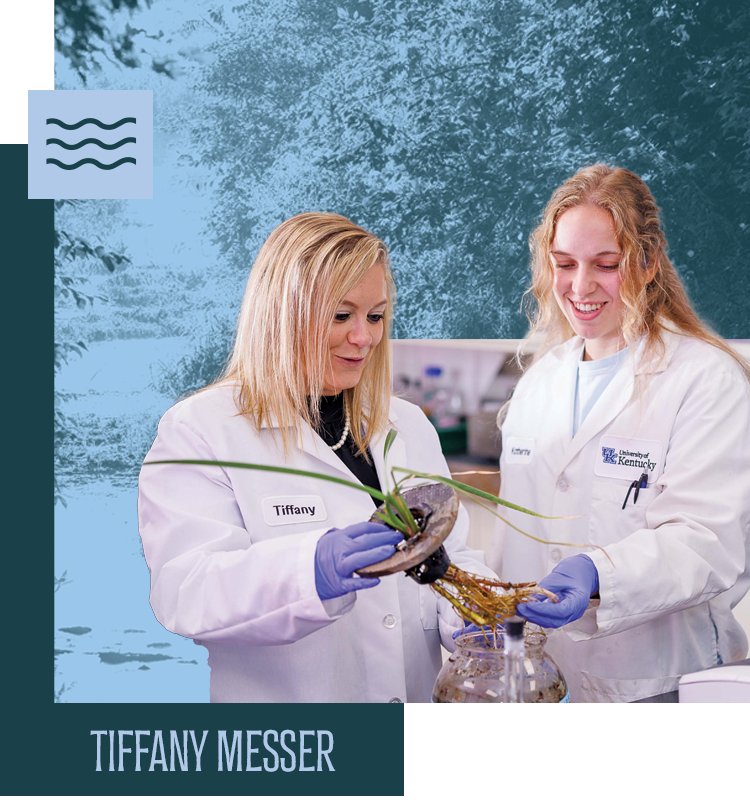
The Bill Gatton Foundation Endowed Chairs, awarded to Alison Gustafson and Tiffany Messer, will transform research, Extension and programming to address agricultural and societal challenges. Gustafson, professor in the Department of Dietetics and Human Nutrition and UK’s College of Nursing, is improving capacity across Kentucky to address food insecurity and diet-sensitive chronic disease and is ensuring residents across the state have access to health food programs — connecting more farmers and community groups to be providers for the Food is Medicine programs.
Messer, associate professor in the Department of Biosystems and Agricultural Engineering, is intersecting the fields of engineering, ecology and agriculture to emphasize environmental biogeochemistry and water resources management in human-impacted ecosystems. Her research has three tracks: student training and success, water quality needs assessment and low-cost water quality treatment options.
The Bill Gatton Foundation Early-Career Professorship provides resources for faculty to pursue innovative research, Extension and instructional programming.
Liz Combs, senior lecturer in the Department of Dietetics and Human Nutrition, is focusing on the effect of undergraduate students’ education abroad experiences on mental health, emotional and physical well-being, and workforce readiness.
Zachary DeVries, associate professor in the Department of Entomology, is exploring novel pest control strategies for German cockroaches and bed bugs as a means of mitigating pest-associated human health risks, along with the development of Extension training materials for pest control technicians.
David Gonthier, associate professor in the Department of Entomology, is focusing on the development of a Transdisciplinary Food Systems Research Center and Food Systems Graduate Certificate.
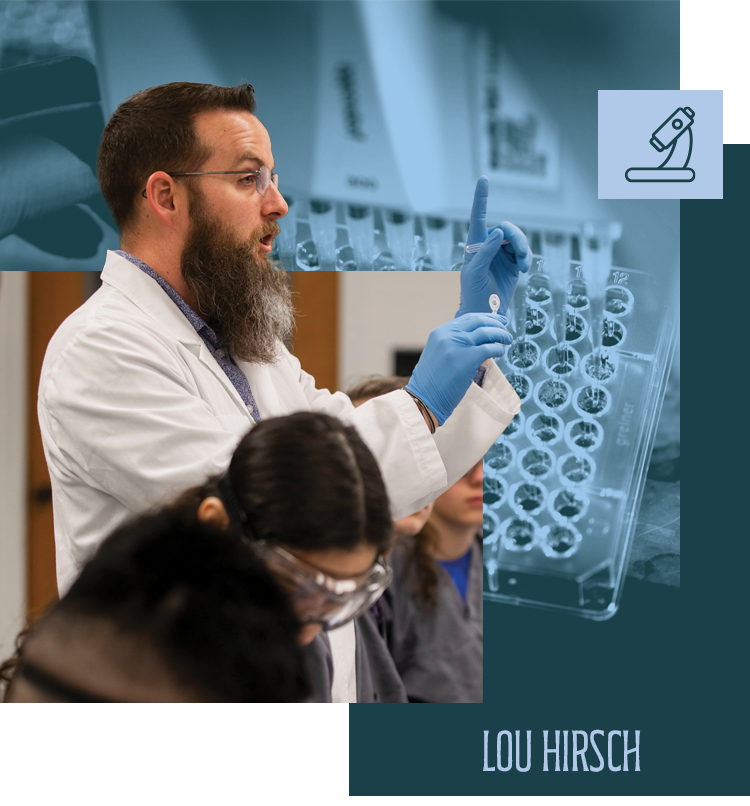
Lou Hirsch, assistant professor in the Department of Plant Pathology, is developing a faculty pedagogy training program that combines evidence-based pedagogical innovations with the land-grant transdisciplinary philosophy. Additionally, Hirsch is launching a suite of outreach educational activities for middle and high school students with a focus on workforce development and careers within the agricultural sector.
Shuoli Zhao, assistant professor in the Department of Agricultural Economics, is investigating the effectiveness of food assistance programs and consumer preferences towards sustainable and healthy food options.
The Bill Gatton Foundation Distinguished Professors are addressing contemporary challenges related to agriculture and communities.
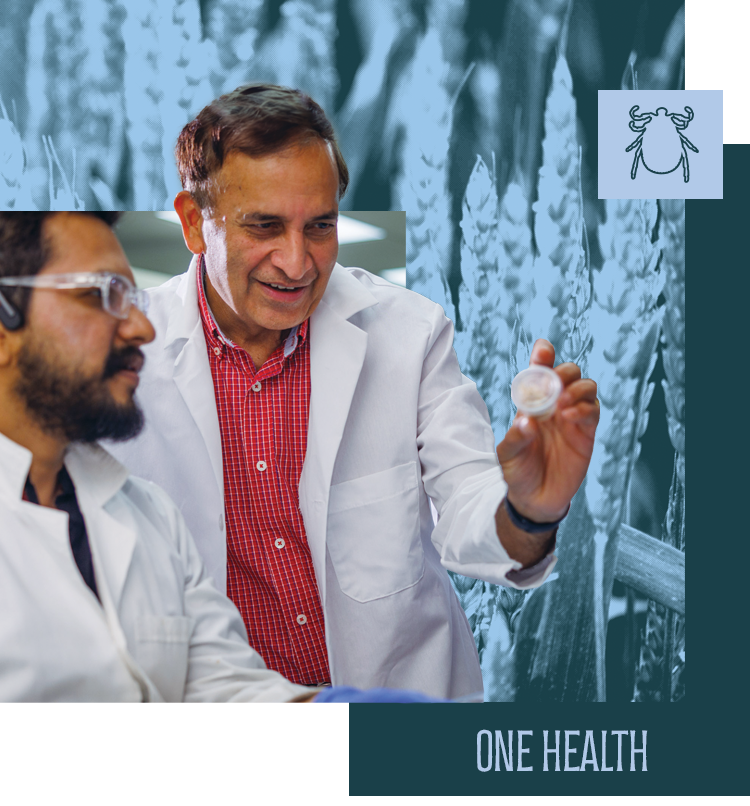
Reddy Palli, associate professor in the Department of Entomology, is focusing on developing Extension materials, undergraduate and online graduate courses and activities to promote One Health. Palli is also developing study abroad opportunities for students to gain hands-on experience in tropical and densely populated countries.
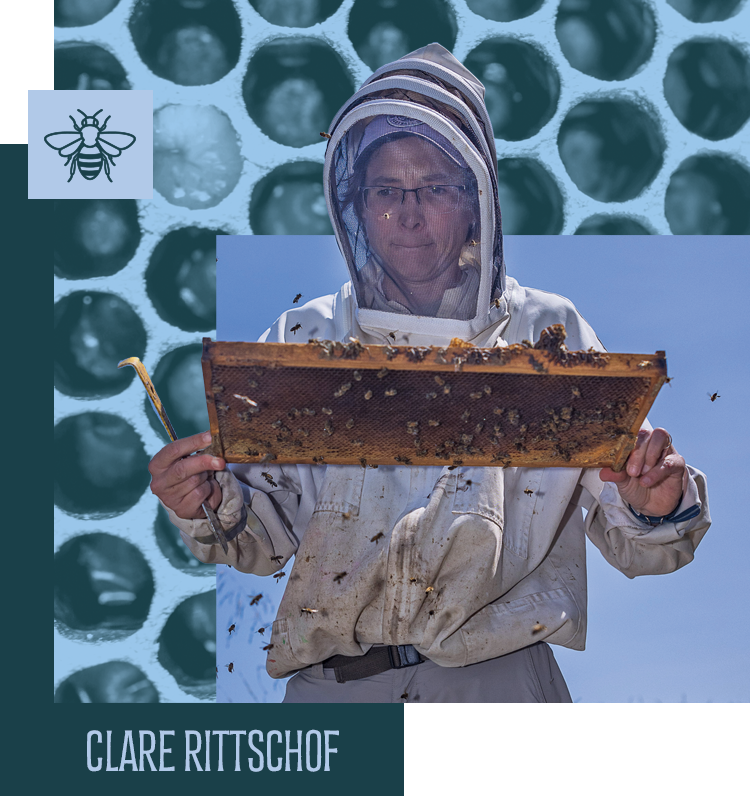
Clare Rittschof, associate professor in the Department of Entomology, is focusing on evaluating climate impact on bees — a vulnerable group of critical pollinators — including population dynamics in degraded environments, bee-plant co-dependency and neuroscience in changing environments.
Carlos Rodriguez Lopez, associate professor in the Department of Horticulture, is focusing on biomarkers to assess and predict the outcomes of biologically normal or pathological processes, including the creation of the Cross-Campus Centre on Epigenetic Biomarkers (C3EB) and development of undergraduate research experiences focused on biomarkers.
Michael Sama, associate professor in the Department of Biosystems and Agricultural Engineering, is focusing on transdisciplinary undergraduate experiences in digital agriculture, targeting mentorship in course selection and professional development opportunities. Additionally, he is implementing research experiences on drone-based remote sensing for high-throughput phenotyping to optimize crop productivity.
Youling Xiong, professor in the Department of Animal and Food Sciences, will develop innovative structure modification technologies to modulate the conformation and surface properties of plant proteins to improve health, nutrition and flavor.
The Bill Gatton Foundation Grand Challenges are addressing the pressing societal issues at the intersection of agriculture, health and environment through building interdisciplinary teams across the university to help address challenges that are impacting Kentuckians. These include:
- The University of Kentucky One Health Center: Raising awareness to identify, prevent and respond to health threats affecting humans, animals and the environment.
- Synergizing Extension Health Partnerships: Planning for Impact: Strengthening our role in improving health outcomes across Kentucky.
- Developing a Structural Framework and Action Plan for a Climate Resiliency Hub: Enhancing our ability to equip communities across Kentucky to not only withstand but flourish amid climate-related challenges — ensuring a resilient, adaptive and sustainable future.
- Growing Graduates from the Ground Up: Developing the Martin-Gatton CAFE Faculty Initiatives in Education, Learning and Discovery (FIELD), transforming the college’s educational offerings by elevating curriculum through innovative research, pedagogical practices and student leadership development.





BY GRACE SOWARDS
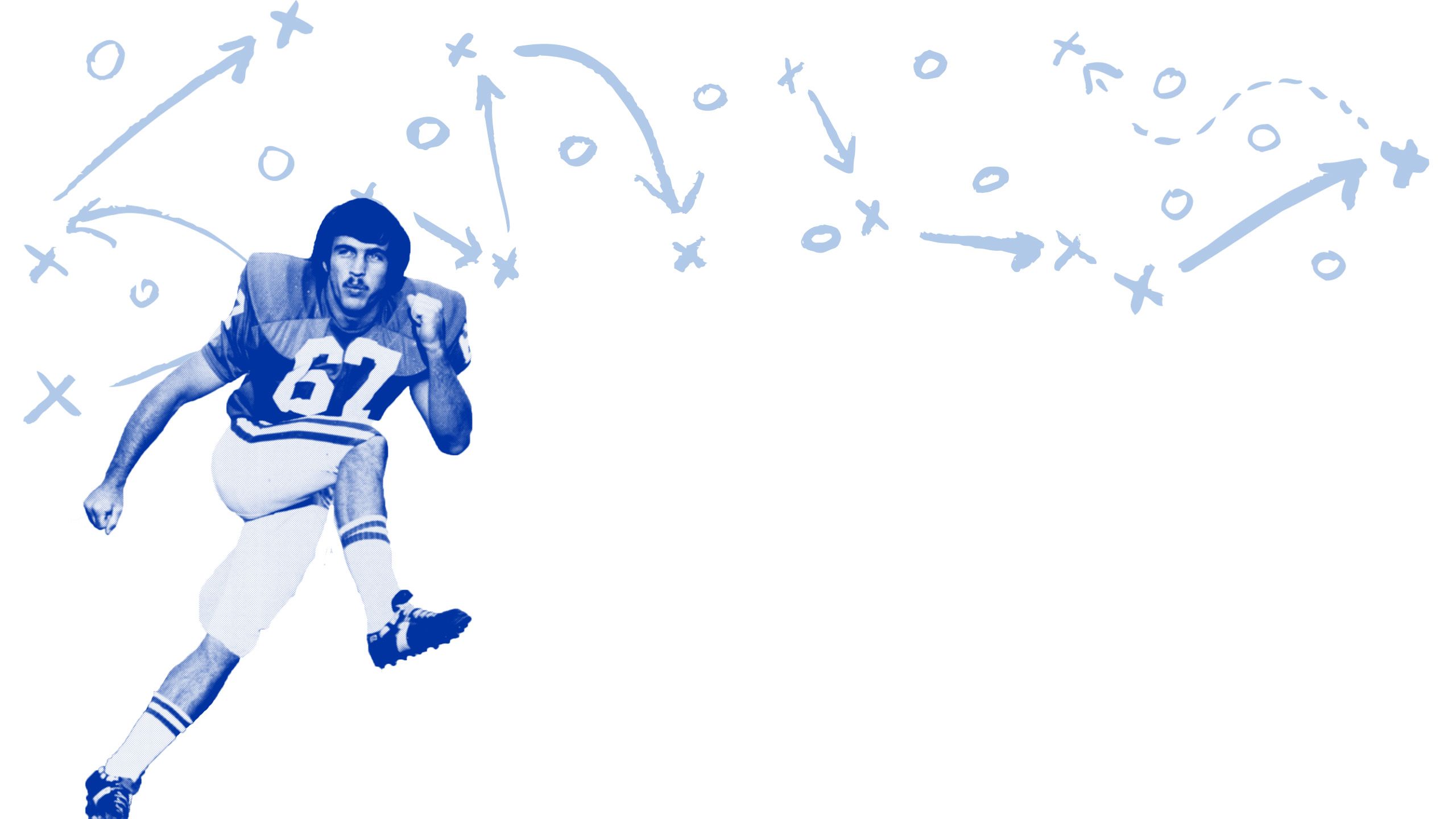
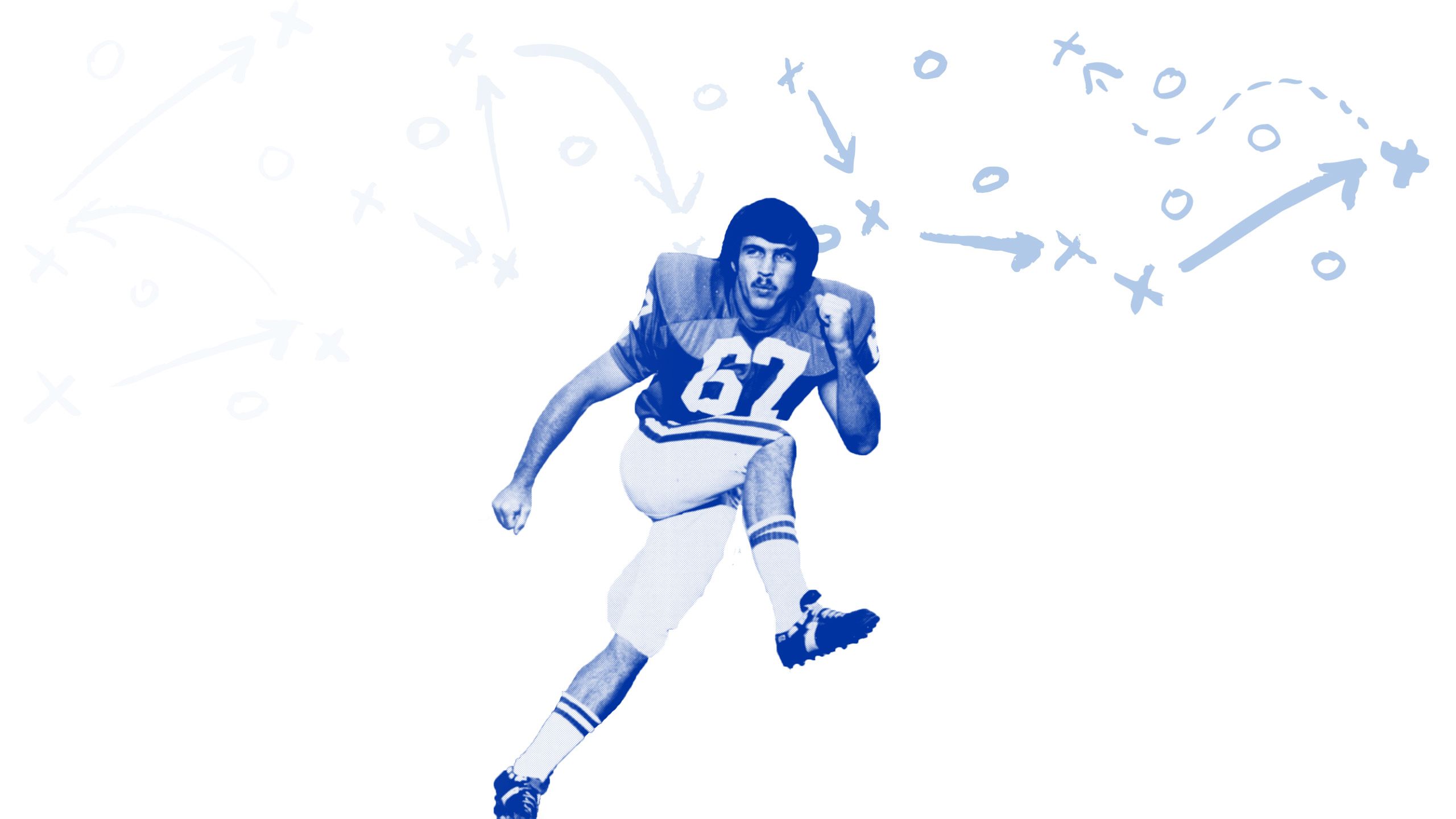
Mike Martin, Martin-Gatton College of Agriculture, Food and Environment alum, is known in Kentucky as a beloved former football player. Around the country, he goes by a different name: “The Pie Czar.” He says winning recipes are all about quality ingredients.
Martin, a linebacker on the Kentucky Wildcats football team in 1976-77, remembers strolling into his home economics classes with the same confidence he had on the field. His goal was to study hospitality in hopes of one day opening a restaurant. Today, his major would fall within the Department of Retailing and Tourism Management at Martin-Gatton CAFE. His post-grad plans began to change as he thrived on the football field.
“We had no idea about the team we would become,” Martin said. “Everyone who plays the game dreams of playing professionally, but really, we just had so much fun.”
In 1976, the Wildcats stomped the North Carolina Tar Heels in the Peach Bowl 21-0. Martin had earned UK’s Most Outstanding Defensive Player award to cap off their winning 9-3 season. He returned to the team in 1977, and the Wildcats went 10-1 — the only UK football team to go undefeated in the SEC in program history.
“Oh, and by the way, I led the team in tackles,” Martin added cheekily.
Martin went on to play for the Chicago Bears in the NFL before he moved to Sarasota, Florida. Later, he and his wife became parents, and in 1992 he fulfilled his original dream of opening a business.

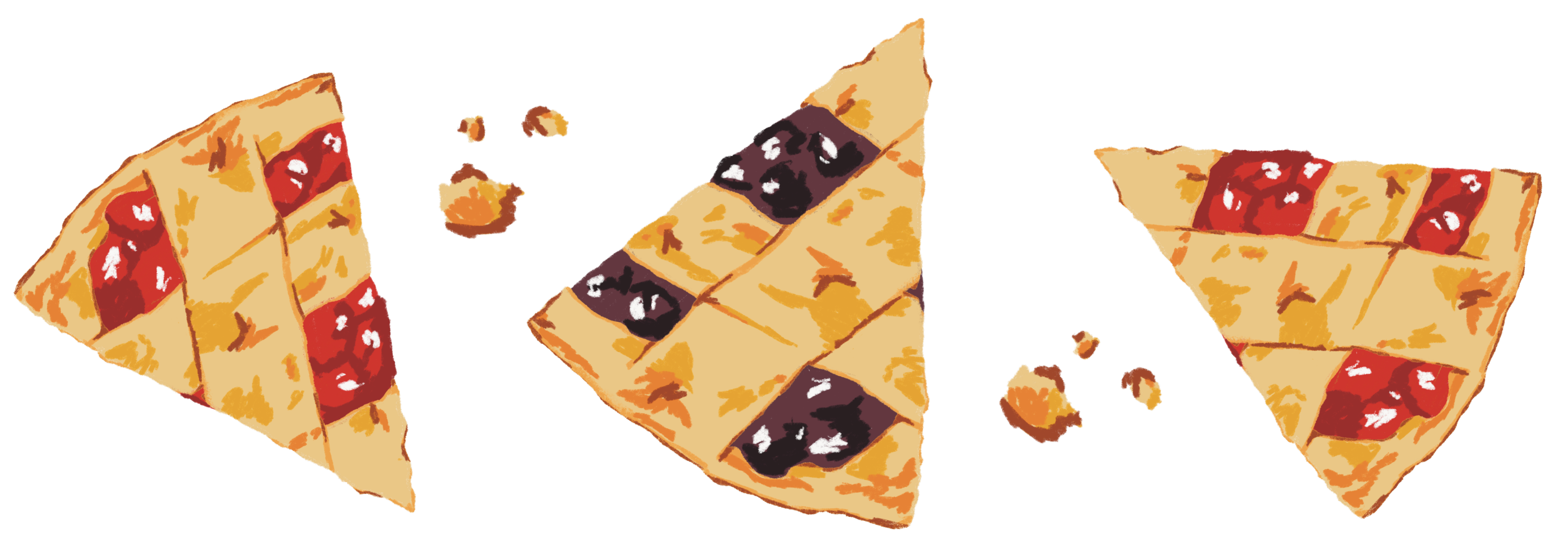
“Mike’s Pies really came from my mom,” Martin said. “She would make the best cherry pie at the holidays, but I hated having to wait all year for it.”
Upon moving to Florida, Martin made pies for his neighbors and friends, while teaching them his methods and the importance of quality in every pan. When he had enough of his friends begging him for more, he took their advice and started selling them right out of his own kitchen.
Mike’s Pies quickly outgrew their home kitchen and opened its first store in 1992. As word spread, Martin began selling them to restaurants around the country.
“Our college is grateful for alumni like Mike. His continued giving allows our students to reach their fullest potential and prepare them for careers of improving Kentucky and beyond.”
“Our pies are 100% re-freezable,” Martin said. “It maintains the high quality going in and out of the freezer up to six times. To this day, not one of our competitors can say that. Quality runs through everything we do. Good ingredients make good pies.”
Today, “The Pie Czar” has sold pies in 45 states. In 2020, the business moved into a new facility to accommodate the growth.
While pie is his passion, Martin shows love to his alma mater by giving to a scholarship fund for Martin-Gatton CAFE students.

BY GRACE SOWARDS
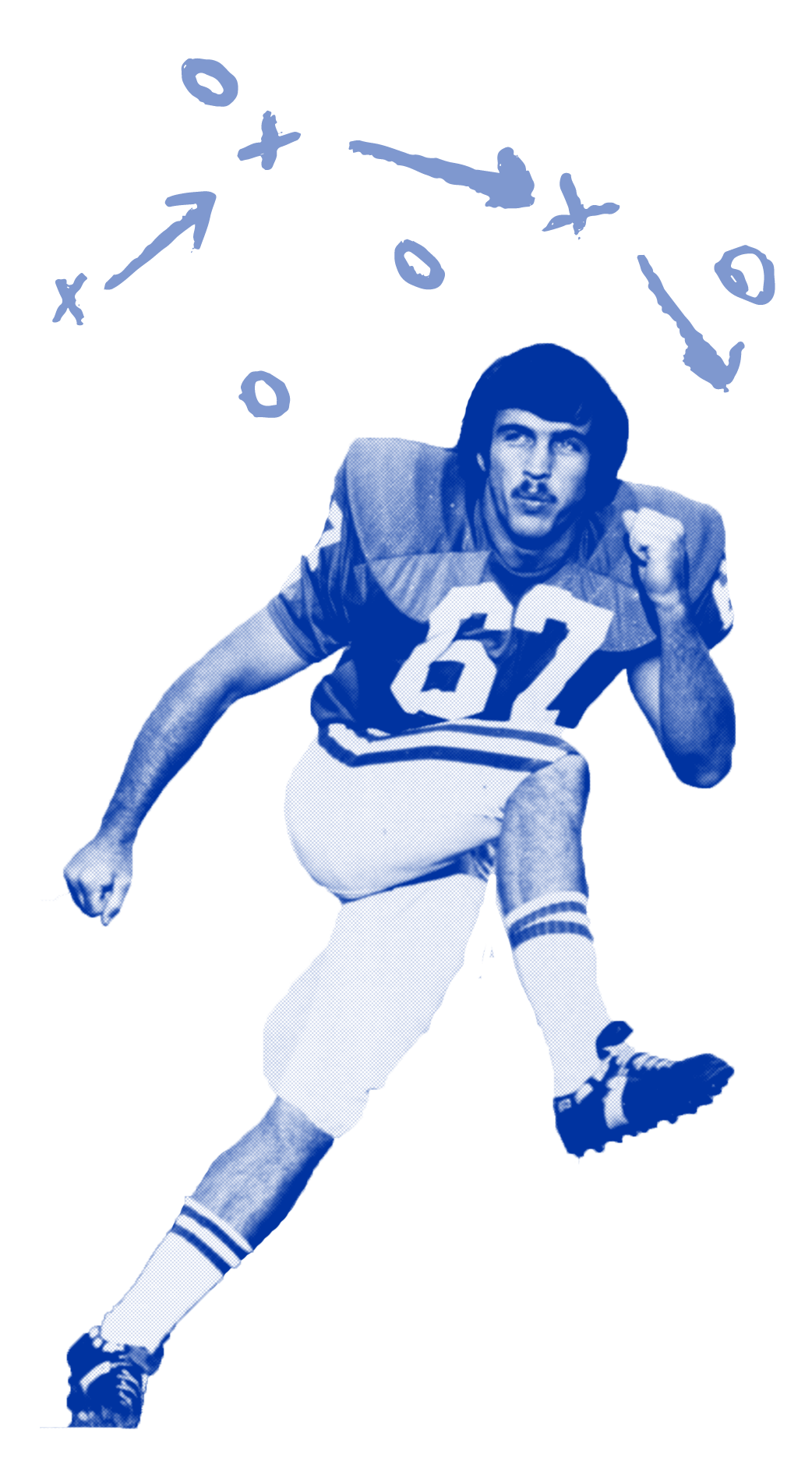
Mike Martin, Martin-Gatton College of Agriculture, Food and Environment alum, is known in Kentucky as a beloved former football player. Around the country, he goes by a different name: “The Pie Czar.” He says winning recipes are all about quality ingredients.
Martin, a linebacker on the Kentucky Wildcats football team in 1976-77, remembers strolling into his home economics classes with the same confidence he had on the field. His goal was to study hospitality in hopes of one day opening a restaurant. Today, his major would fall within the Department of Retailing and Tourism Management at Martin-Gatton CAFE. His post-grad plans began to change as he thrived on the football field.
“We had no idea about the team we would become,” Martin said. “Everyone who plays the game dreams of playing professionally, but really, we just had so much fun.”
In 1976, the Wildcats stomped the North Carolina Tar Heels in the Peach Bowl 21-0. Martin had earned UK’s Most Outstanding Defensive Player award to cap off their winning 9-3 season. He returned to the team in 1977, and the Wildcats went 10-1 — the only UK football team to go undefeated in the SEC in program history.
“Oh, and by the way, I led the team in tackles,” Martin added cheekily.
Martin went on to play for the Chicago Bears in the NFL before he moved to Sarasota, Florida. Later, he and his wife became parents, and in 1992 he fulfilled his original dream of opening a business.
“Mike’s Pies really came from my mom,” Martin said. “She would make the best cherry pie at the holidays, but I hated having to wait all year for it.”
Upon moving to Florida, Martin made pies for his neighbors and friends, while teaching them his methods and the importance of quality in every pan. When he had enough of his friends begging him for more, he took their advice and started selling them right out of his own kitchen.
Mike’s Pies quickly outgrew their home kitchen and opened its first store in 1992. As word spread, Martin began selling them to restaurants around the country.
“Our college is grateful for alumni like Mike. His continued giving allows our students to reach their fullest potential and prepare them for careers of improving Kentucky and beyond.”
“Our pies are 100% re-freezable,” Martin said. “It maintains the high quality going in and out of the freezer up to six times. To this day, not one of our competitors can say that. Quality runs through everything we do. Good ingredients make good pies.”
Today, “The Pie Czar” has sold pies in 45 states. In 2020, the business moved into a new facility to accommodate the growth.
While pie is his passion, Martin shows love to his alma mater by giving to a scholarship fund for Martin-Gatton CAFE students.




BY BAILEY VANDIVER
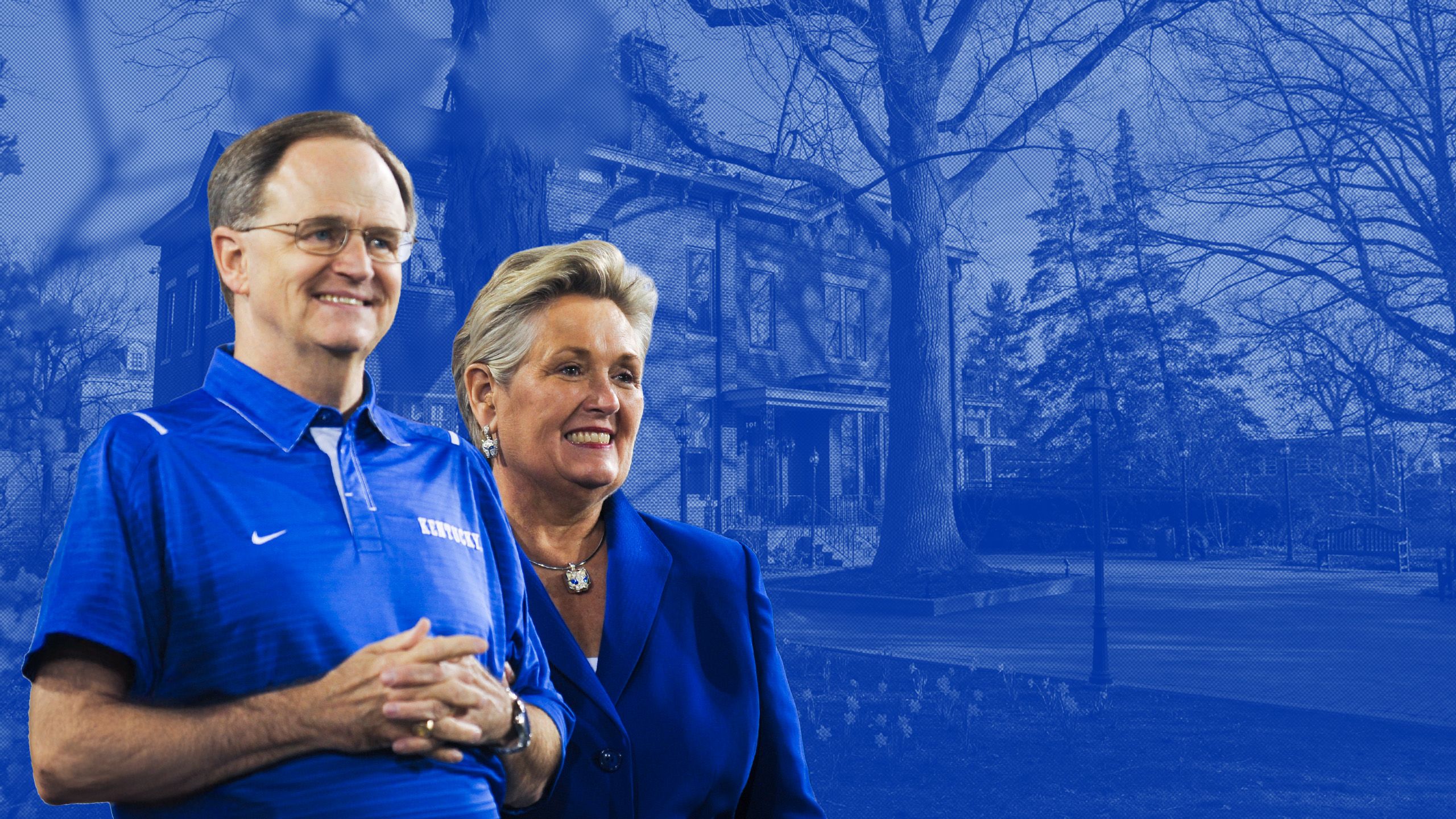
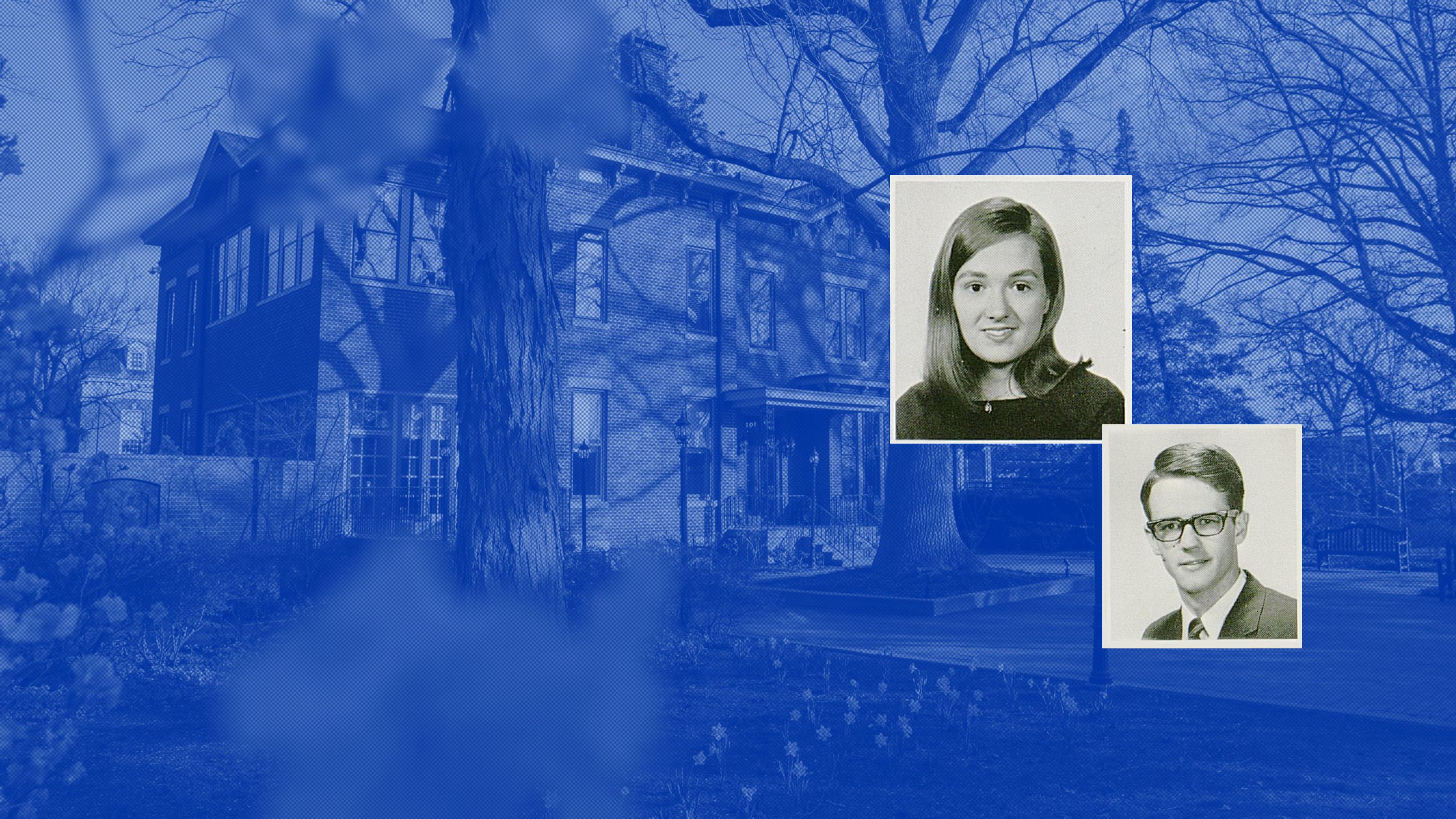
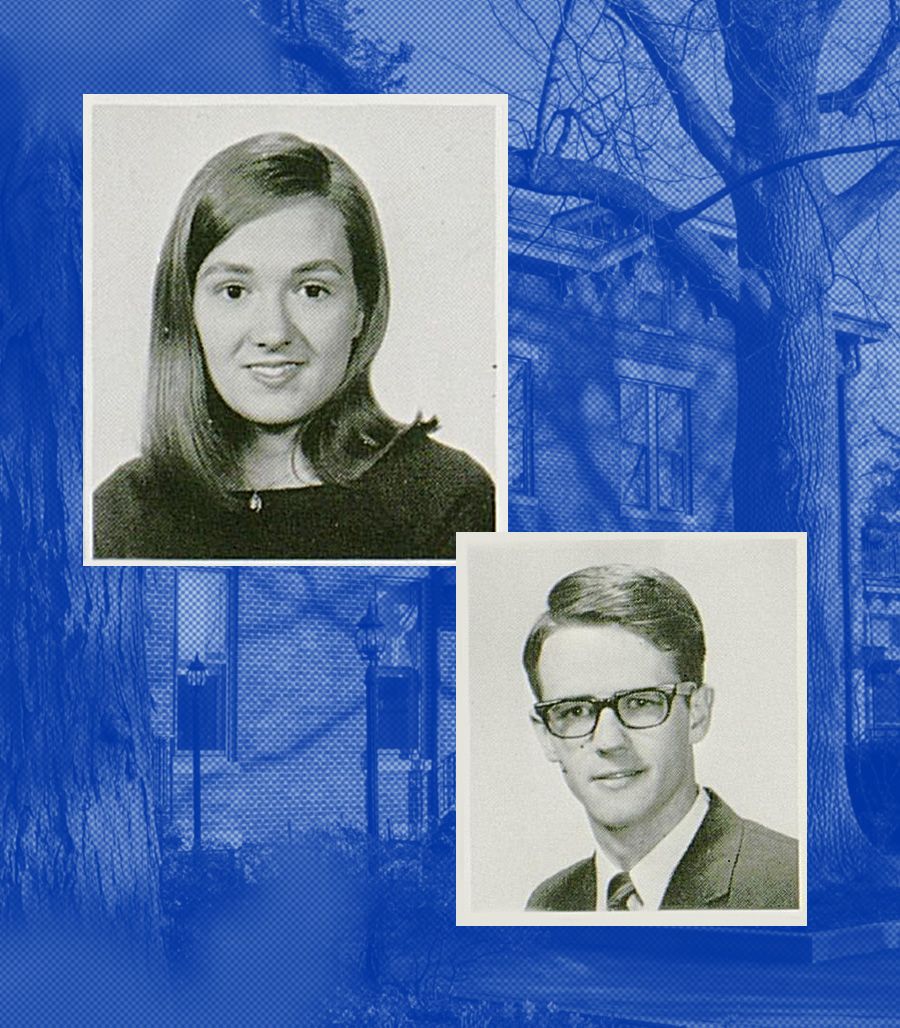
Patricia “Patsy” Brantley walked in the University of Kentucky’s Commencement ceremony in Memorial Coliseum on Monday, May 13, 1968. Her degree was in vocational home economics, now part of the School of Human Environmental Sciences (HES) in the Martin-Gatton College of Agriculture, Food and Environment.
On Saturday of that same week, she married her high school sweetheart, Lee Todd, in their hometown of Earlington, Kentucky. He finished his UK degree in electrical engineering in August.
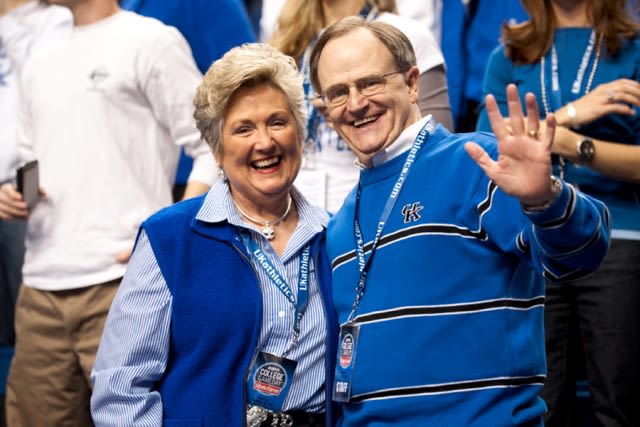
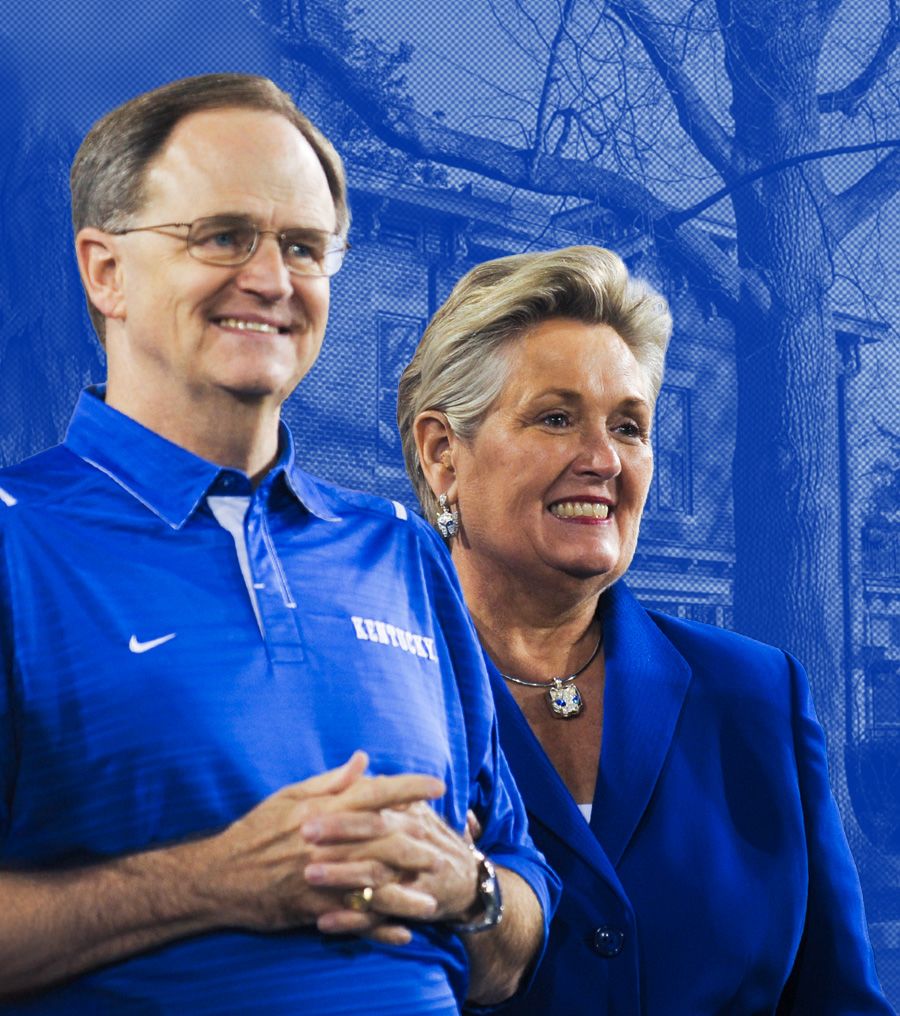
In their 57 years of marriage, the Todds have earned additional degrees, raised two children, taught, established businesses and served as president and first lady of UK.
When Lee retired from the UK presidency in 2011 after 10 years in the role, he said UK was the love of his and Patsy’s lives.
“We’ve been UK true and blue for a long time,” Lee said.
MEETING THE STATE'S NEEDS
The Todds continue to support the university in myriad ways, including a recent gift to permanently endow the Patricia Brantley Todd Endowed Fund for Excellence, which supports UK Cooperative Extension programs and a biannual award for exemplary service by faculty and staff.
Patsy said she is amazed at the “multifaceted” impact that Extension agents have on their communities.
Extension agents are “trusted ambassadors,” Lee said, who can communicate from the university to Kentuckians to “make research real.”

During Lee’s tenure as president, he and Patsy took a 22-city tour across Kentucky, hosting many of their meetings at the local county Extension office.
At one statewide Extension conference, several deans from across UK accompanied him to talk about disseminating research. After speaking, the deans sat down to speak with Extension personnel directly.
“The longest line was behind the fine arts table,” Lee said. “There was just a real need.”
When UK Extension hired a fine arts agent in Pike County, UK became the first land-grant institution in the country to have a fine arts agent. Today, Extension continues fine arts programming, with 11 personnel across the state.

BY BAILEY VANDIVER
Patricia “Patsy” Brantley walked in the University of Kentucky’s Commencement ceremony in Memorial Coliseum on Monday, May 13, 1968. Her degree was in vocational home economics, now part of the School of Human Environmental Sciences (HES) in the Martin-Gatton College of Agriculture, Food and Environment.
On Saturday of that same week, she married her high school sweetheart, Lee Todd, in their hometown of Earlington, Kentucky. He finished his UK degree in electrical engineering in August.
In their 57 years of marriage, the Todds have earned additional degrees, raised two children, taught, established businesses and served as president and first lady of UK.
When Lee retired from the UK presidency in 2011 after 10 years in the role, he said UK was the love of his and Patsy’s lives.
“We’ve been UK true and blue for a long time,” Lee said.
MEETING THE STATE'S NEEDS
The Todds continue to support the university in myriad ways, including a recent gift to permanently endow the Patricia Brantley Todd Endowed Fund for Excellence, which supports UK Cooperative Extension programs and a biannual award for exemplary service by faculty and staff.
Patsy said she is amazed at the “multifaceted” impact that Extension agents have on their communities.
Extension agents are “trusted ambassadors,” Lee said, who can communicate from the university to Kentuckians to “make research real.”
During Lee’s tenure as president, he and Patsy took a 22-city tour across Kentucky, hosting many of their meetings at the local county Extension office. At one statewide Extension conference, several deans from across UK accompanied him to talk about disseminating research. After speaking, the deans sat down to speak with Extension personnel directly.
“The longest line was behind the fine arts table,” Lee said. “There was just a real need.”
When UK Extension hired a fine arts agent in Pike County, UK became the first land-grant institution in the country to have a fine arts agent. Today, Extension continues fine arts programming, with 11 personnel across the state.

THE 'WELL-THOUGHT-OUT' HES PROGRAM
Often, when remembering a piece of information or putting a skill to use, Patsy finds herself wondering where she learned it.
The answer: “the well-thought-out, well-planned HES program.”
In UK’s curriculum, Patsy learned about everything from physiology and economics to management and family living. As UK’s first lady who described herself as a mother to UK students, Patsy frequently relied on what she learned during her undergraduate education.
At the time, vocational home economics students had to spend several weeks living in what was called the Home Management House, for an intensive and “up close and personal” education.
This was great practice for the Todds’ eventual management of Maxwell Place, the president’s residence on campus. The Todds intentionally opened the grounds and even the house to students.
At least one of the pair stayed in formal wear until 10 or 11 every night, just in case someone rang the doorbell looking for fresh-baked cookies or a tour. Once, a few young women dropped off a pie they’d baked; another time, young men who had been let in for cookies found and started playing the grand piano.
People would question how the Todds could be so hospitable in their approach to Maxwell Place, which Patsy described as “a calling.”
The answer to that, too, was her formative years in HES.
GIVING BACK TO THE UNIVERSITY
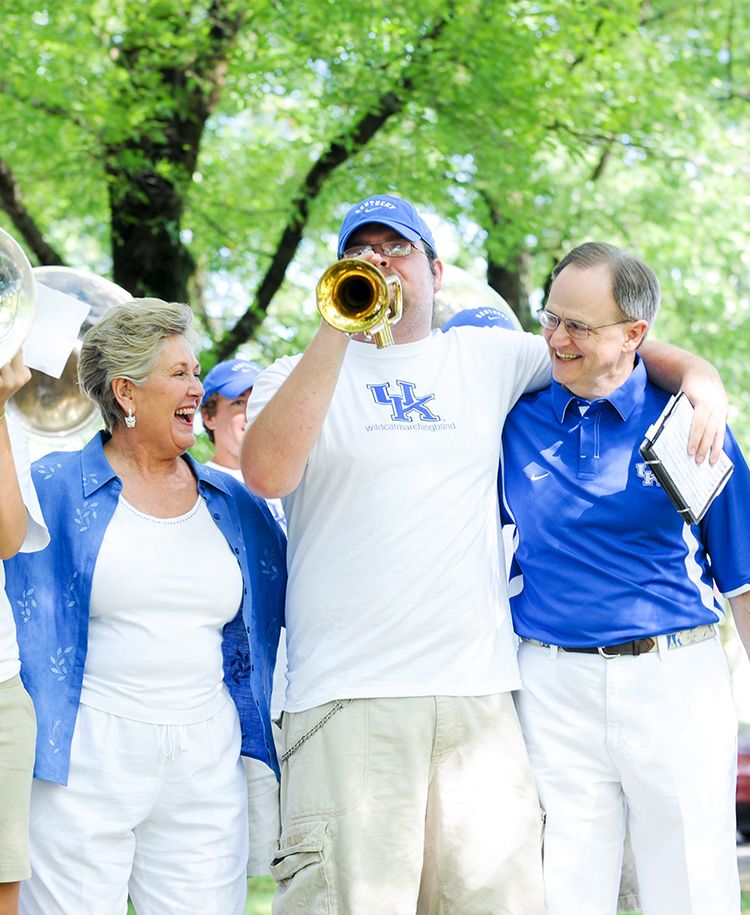
The Todds encourage others to do what they once did: Take a look at how you spend your money and determine how you can give.
“I think people really have to learn to give,” said Patsy, who founded the UK Women and Philanthropy Network.
Lee said they have been intentional with spreading their donations across the university as needed and have enjoyed seeing what can be accomplished with support.
“UK has been a very important part of our lives, so we like to do something to pay back a little,” Lee said.
Patsy summed up the Todds’ commitment to their alma mater, their longtime employer, the love of their lives: “How can you not give to the university?”


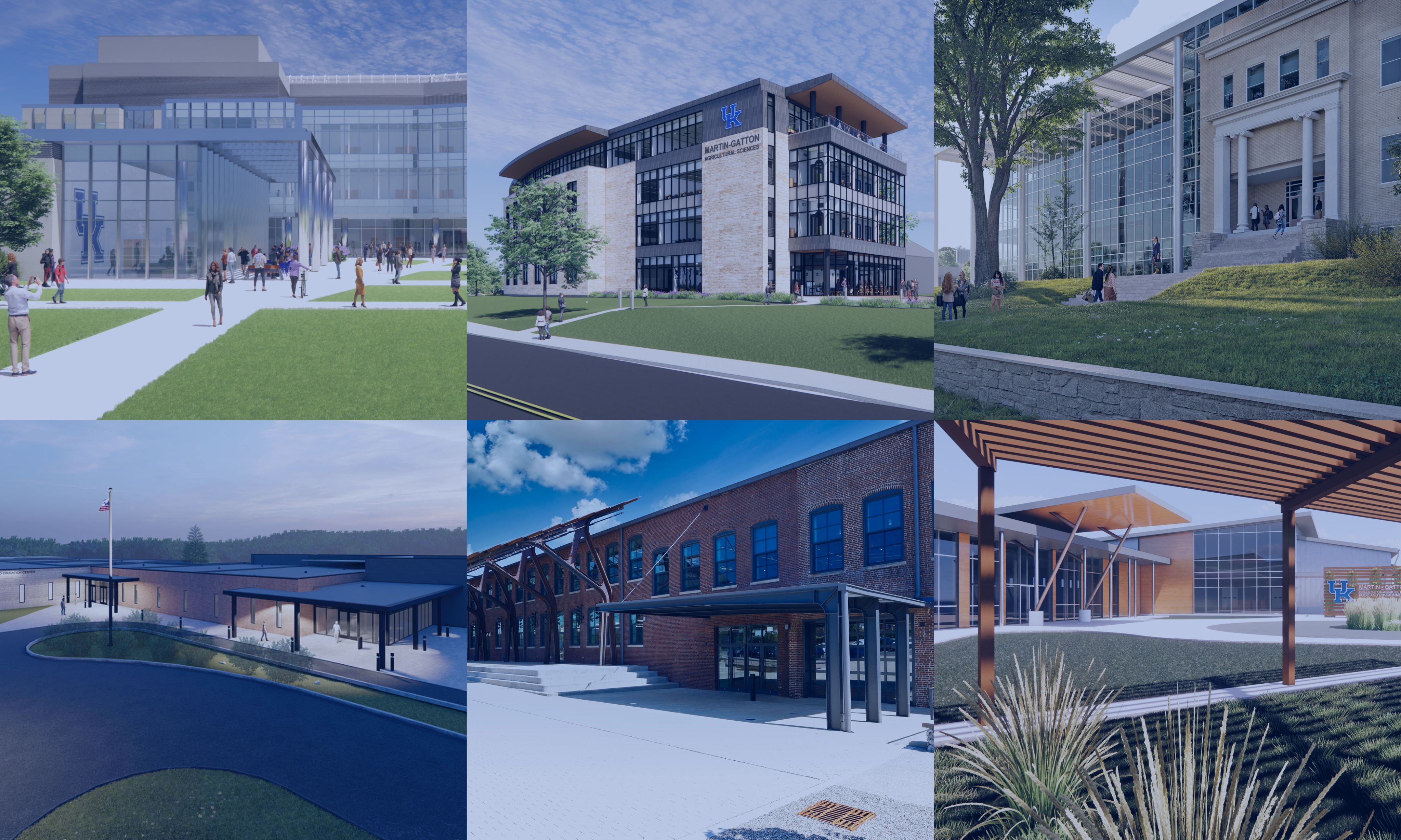






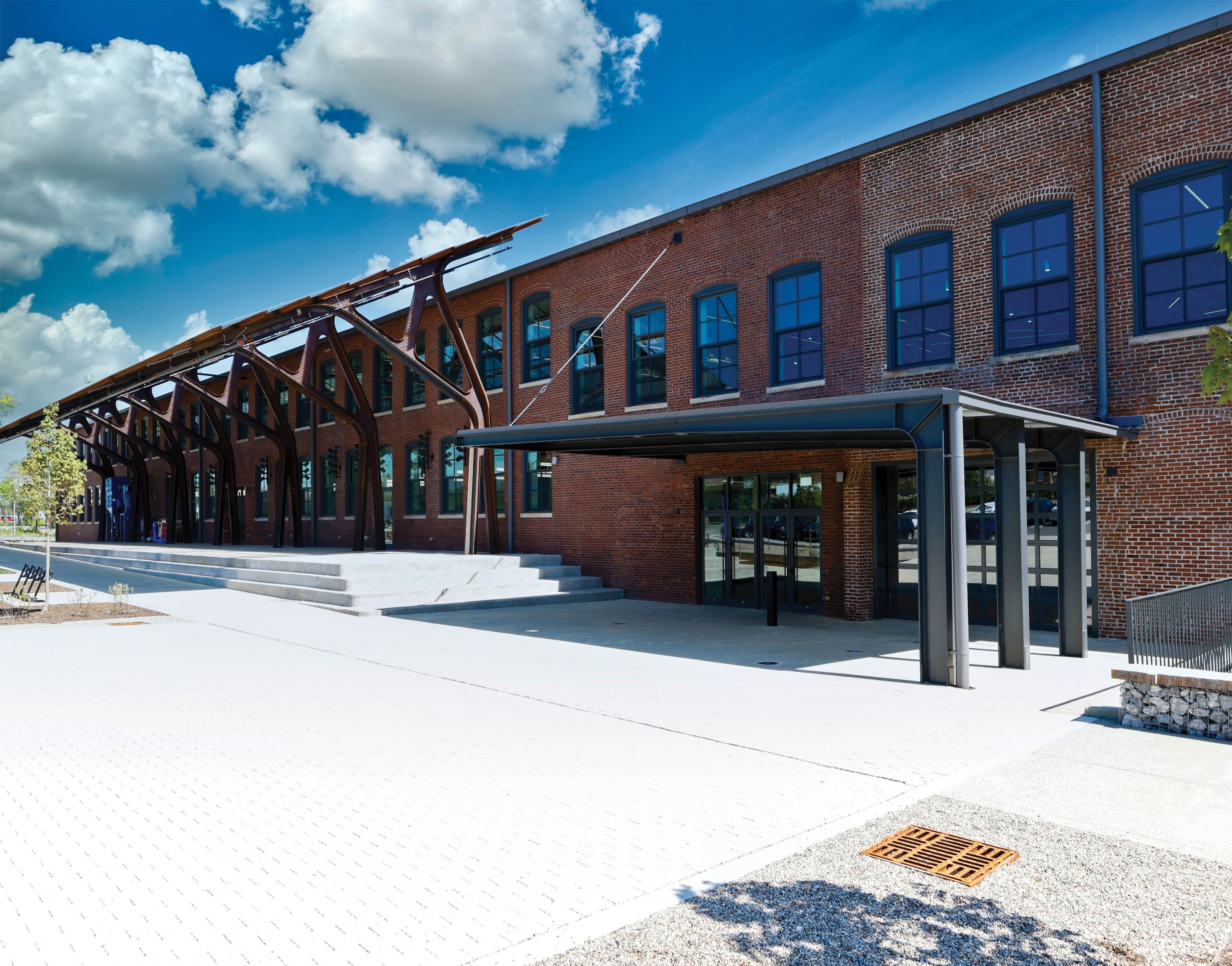

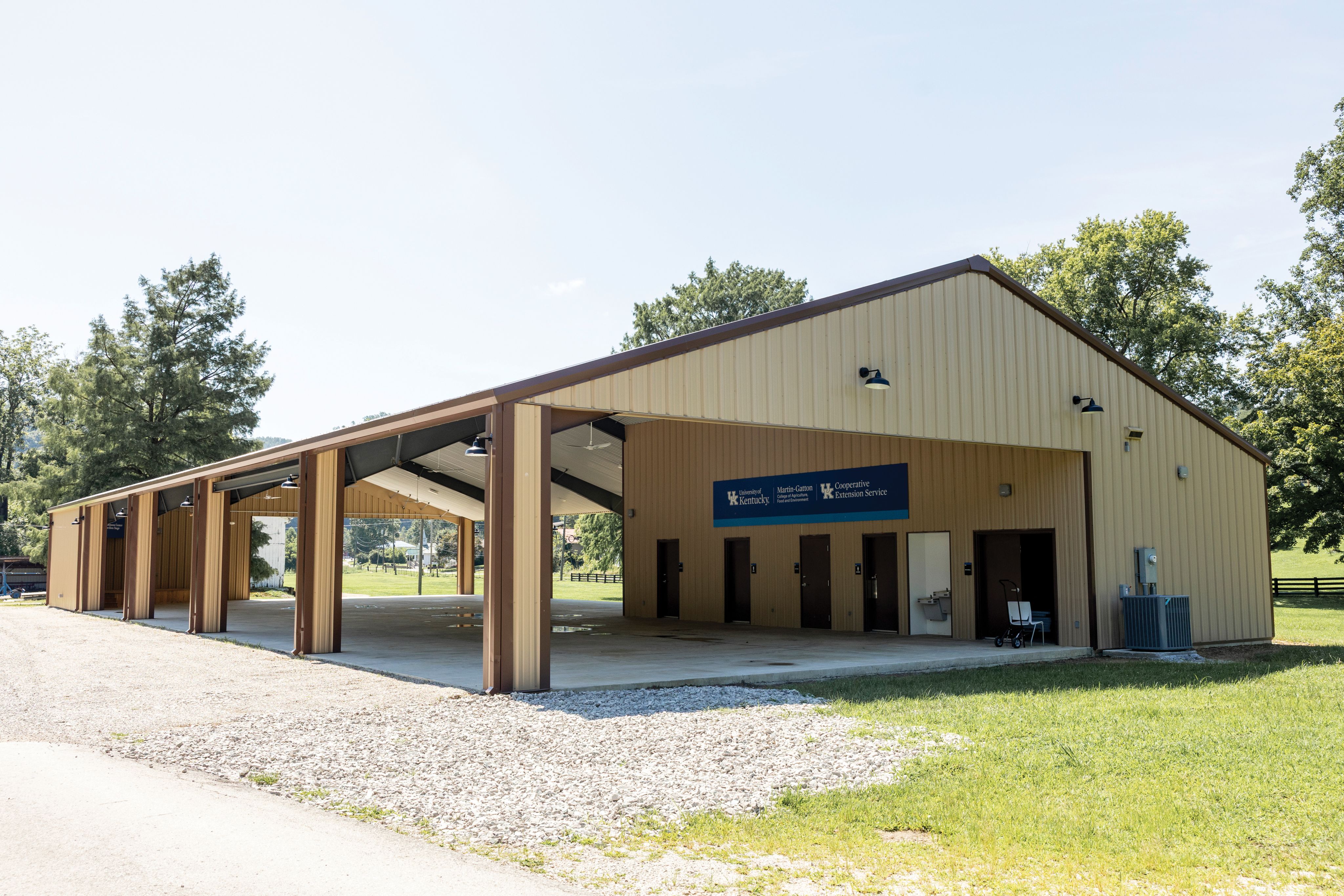

The UK Martin-Gatton College of Agriculture, Food and Environment is in a dynamic period of growth and transformation.
The projects span the state: on campus in Lexington; C. Oran Little Research Center in Versailles; Robinson Center, headquartered in Breathitt County; and UK Research and Education Center (UKREC) at Princeton.
“When we invest in improved facilities, we strengthen the entire foundation of our college,” said Laura Stephenson, vice president for land-grant engagement and dean. “These investments support innovative research, enrich student learning and expand our capacity to serve communities across Kentucky through Extension.”
AGRICULTURAL RESEARCH BUILDING
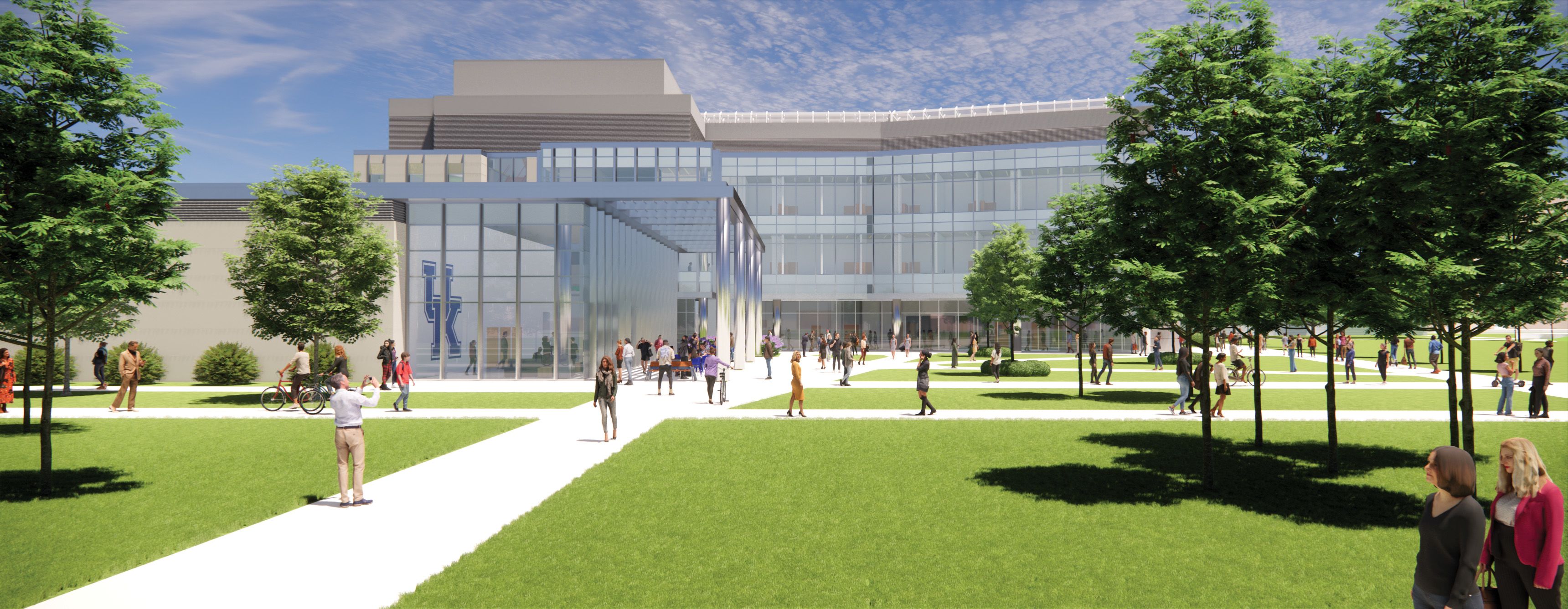
The 265,000-square-foot Agricultural Research Building will be the college’s central research hub — housing a 250-seat auditorium, state-of-the-art laboratories and a complex of greenhouses on its roof. The Agricultural Research Building is set to be completed in Fall 2026.
MARTIN-GATTON AGRICULTURAL SCIENCES BUILDING
The 66,000-square-foot Martin-Gatton Agricultural Sciences Building, set to be completed in 2026, will be the college’s primary teaching facility and student center, featuring spacious classrooms and a cafe.
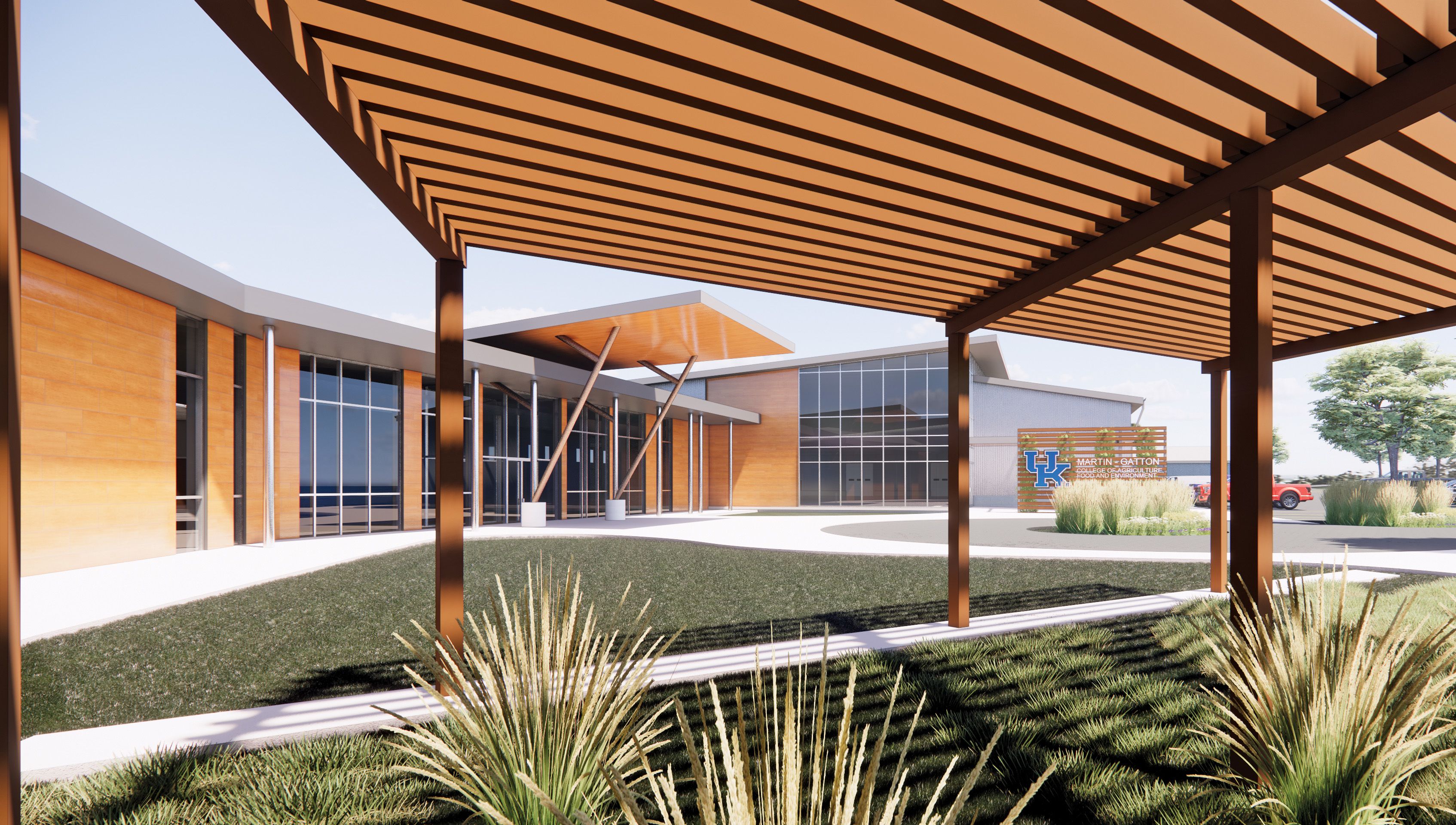
MEATS AND FOODS INDUSTRY ADVANCEMENT CENTER
Located at C. Oran Little Research Center, the Meats and Foods Industry Advancement Center is designed as a “one-stop-shop” facility that supports the state’s multibillion-dollar animal agriculture industry, family farms, value-added production, food safety and promotion. The Meats and Foods Industry Advancement Center is set to be completed in Fall 2026.
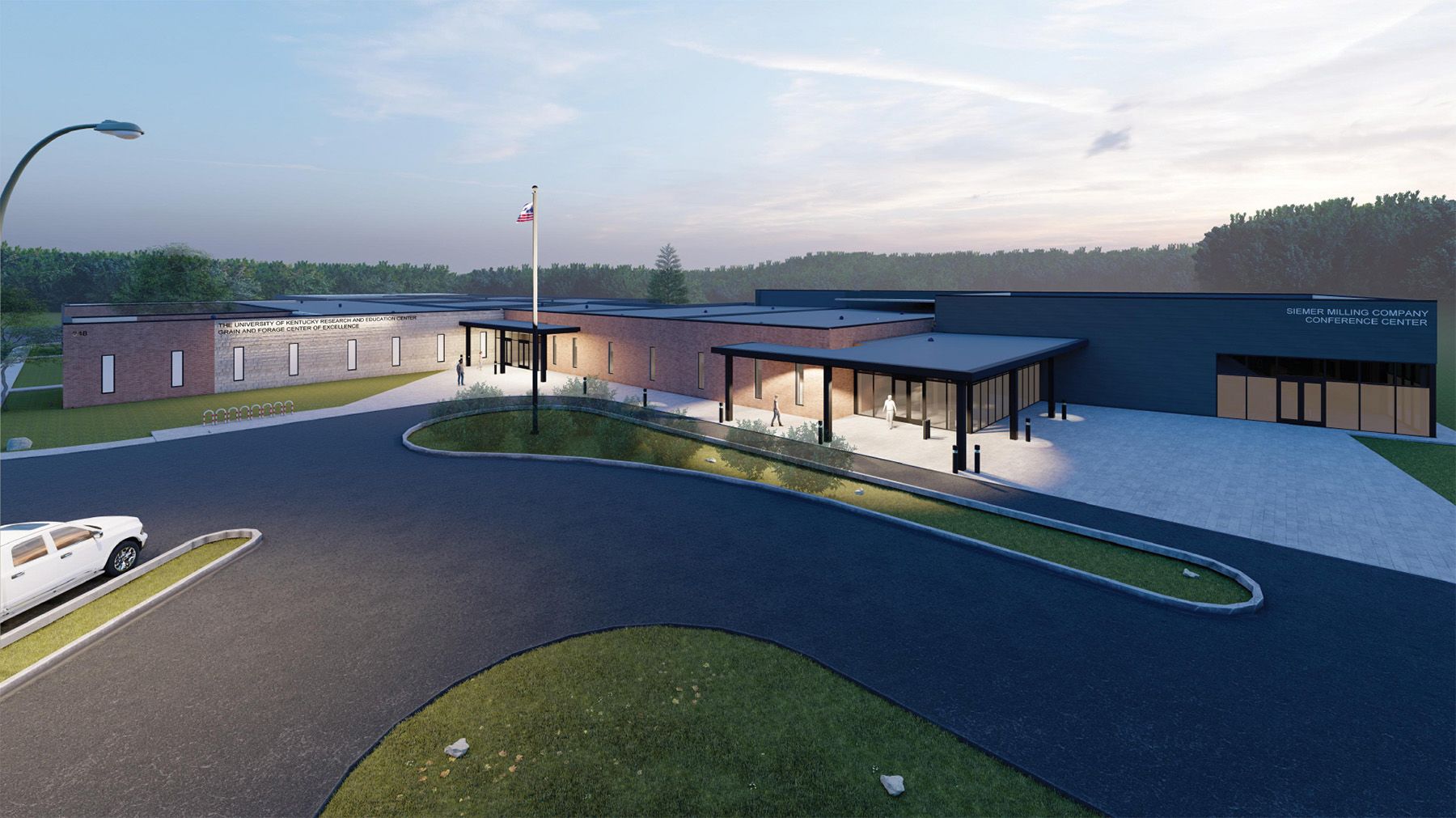
UK RESEARCH AND EDUCATION
CENTER AT PRINCETON
In 2021, tornadoes directly hit UKREC, destroying or damaging 39 structures. UKREC has helped its community recover, continued its impactful research and Extension work, and made significant progress on restoring its facilities.
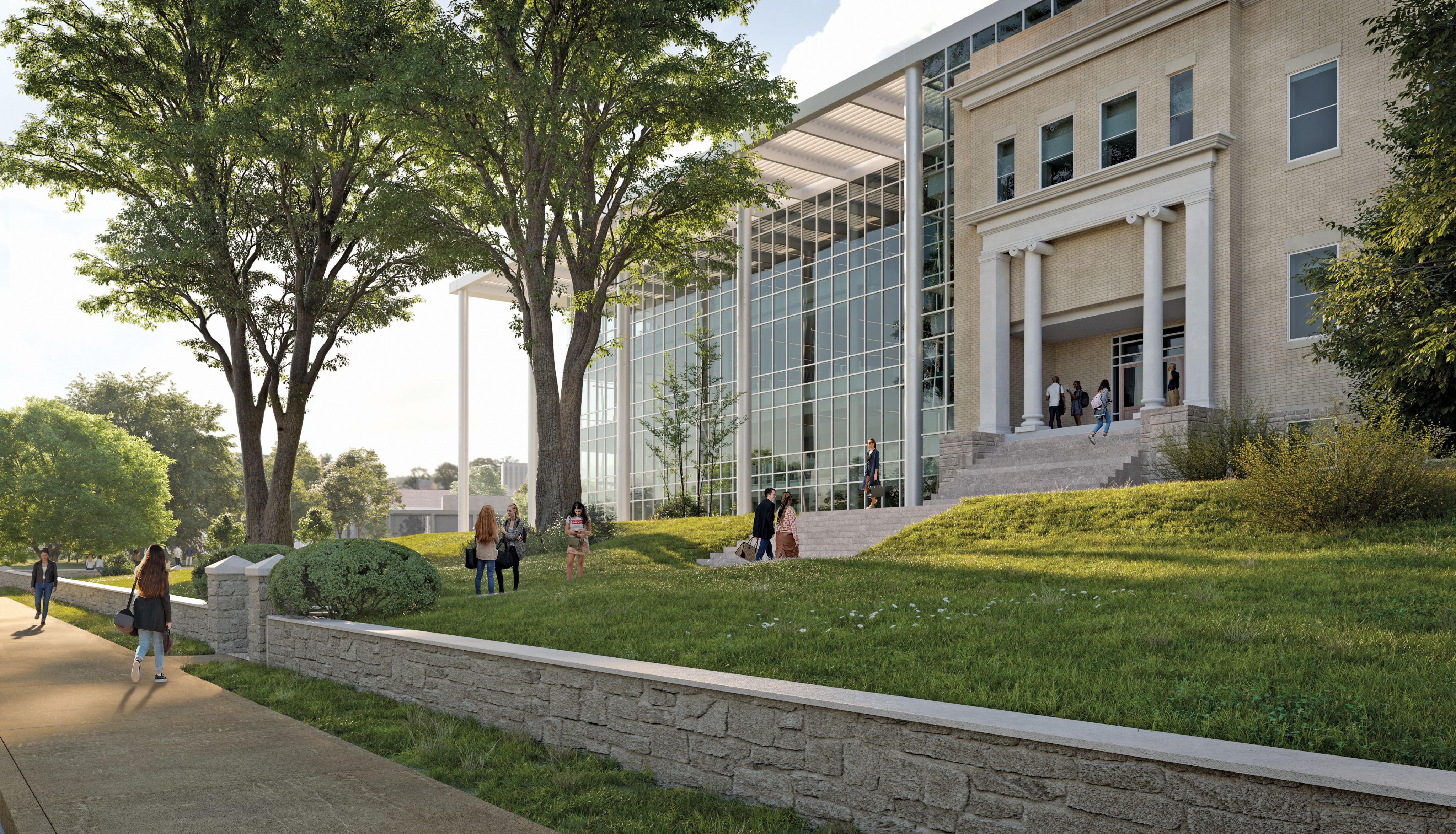
SCOVELL HALL
Originally built in 1903, the historic Scovell Hall is undergoing a comprehensive rebuild, preserving its west and north entrances while upgrading the 92,000-square-foot facility to serve as the Martin-Gatton CAFE administrative center. Scovell Hall is set to be completed in 2026.
GRAY DESIGN BUILDING
In Fall 2024, the Department of Landscape Architecture (LA) celebrated moving into the Gray Design Building, a centralized, creative hub for dynamic learning with other UK design disciplines.
ROBINSON CENTER
At the UK Robinson Center, four permanent structures were lost to the July 2022 floods. Personnel continued to serve Appalachia even through rebuilding efforts, which are now complete.


We are inspiring the
NEXT GENERATION OF LEADERS

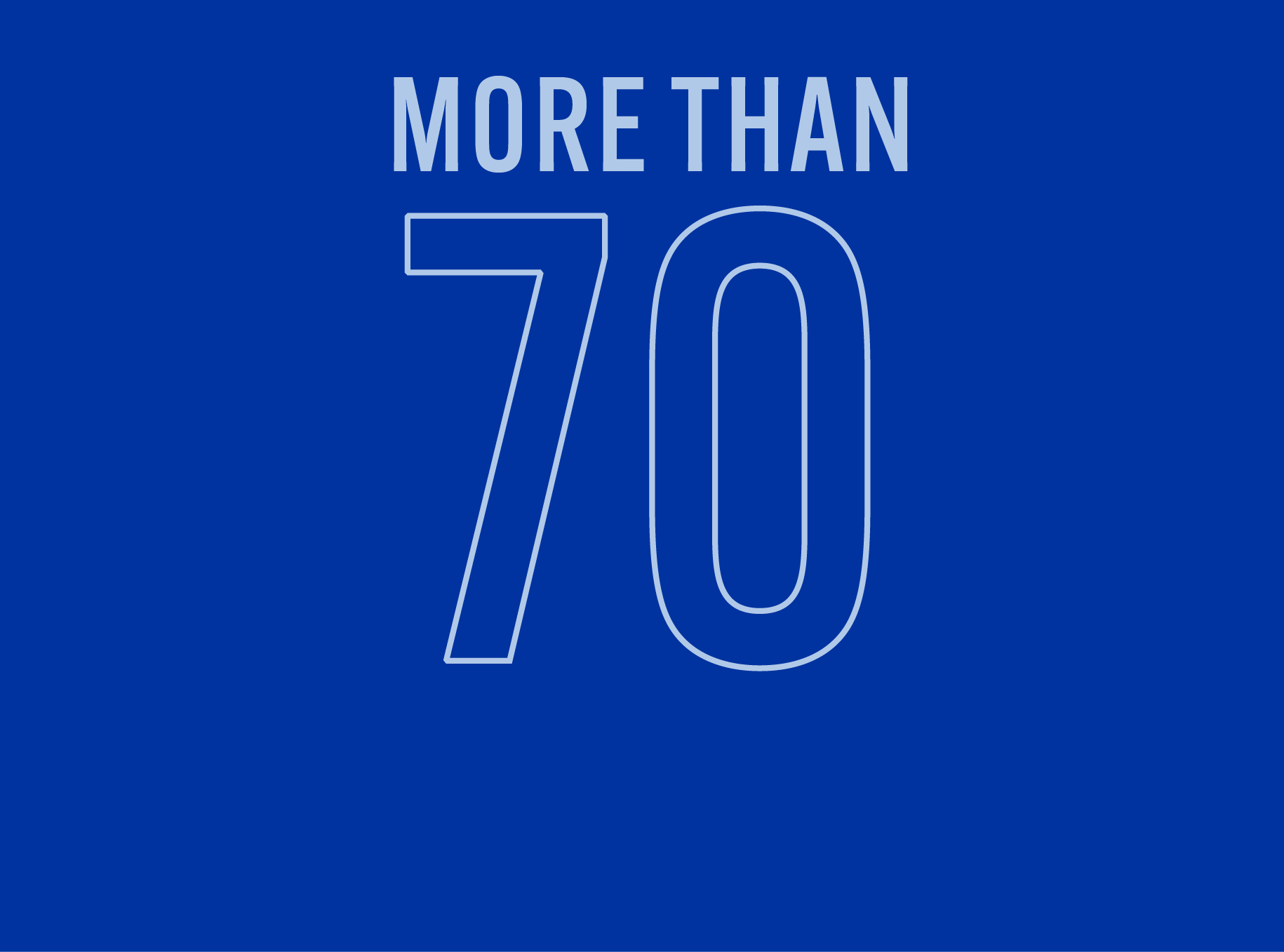
undergraduate, graduate and certificate programs
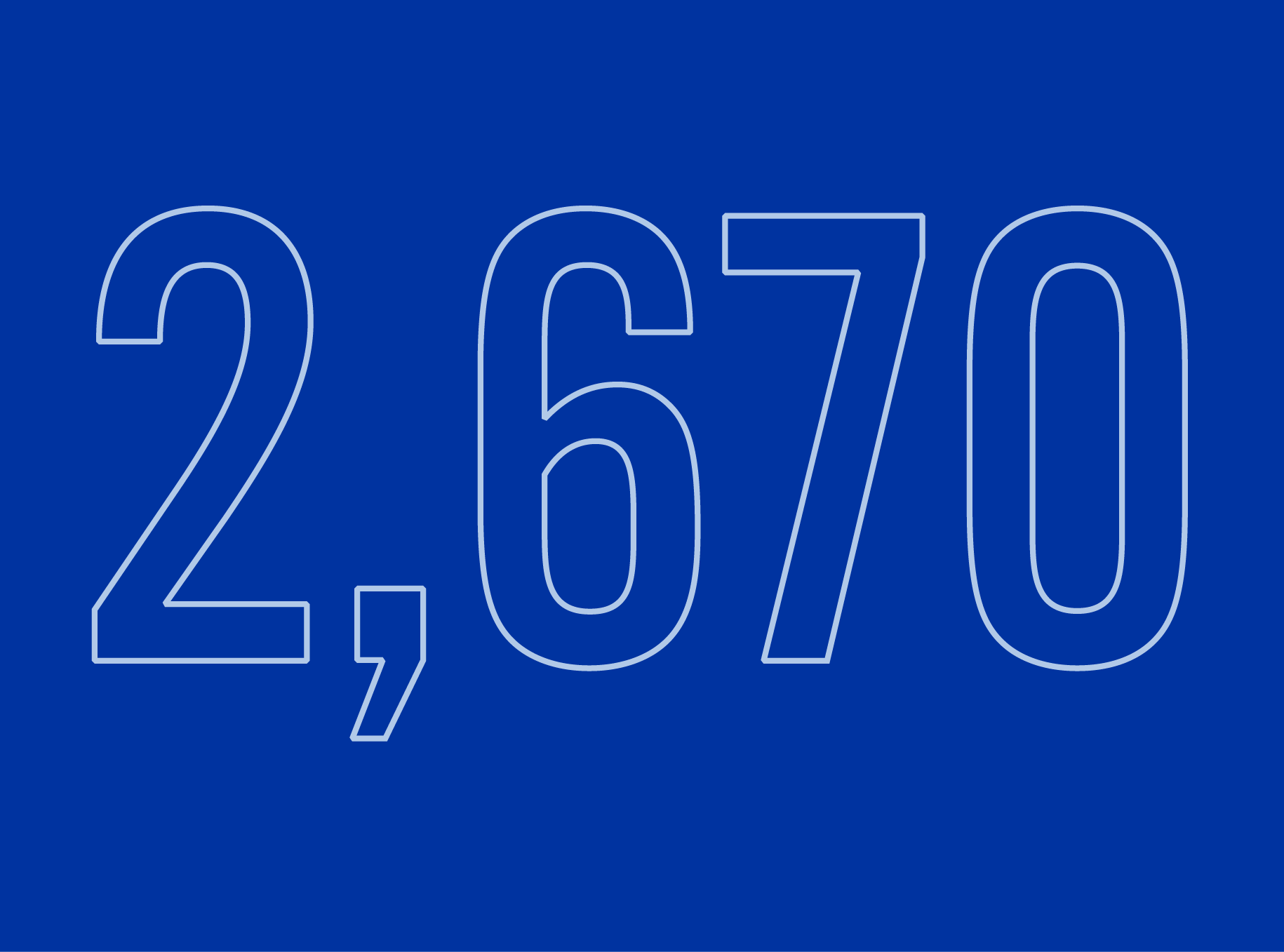
students are enrolled in
Martin-Gatton CAFE programs
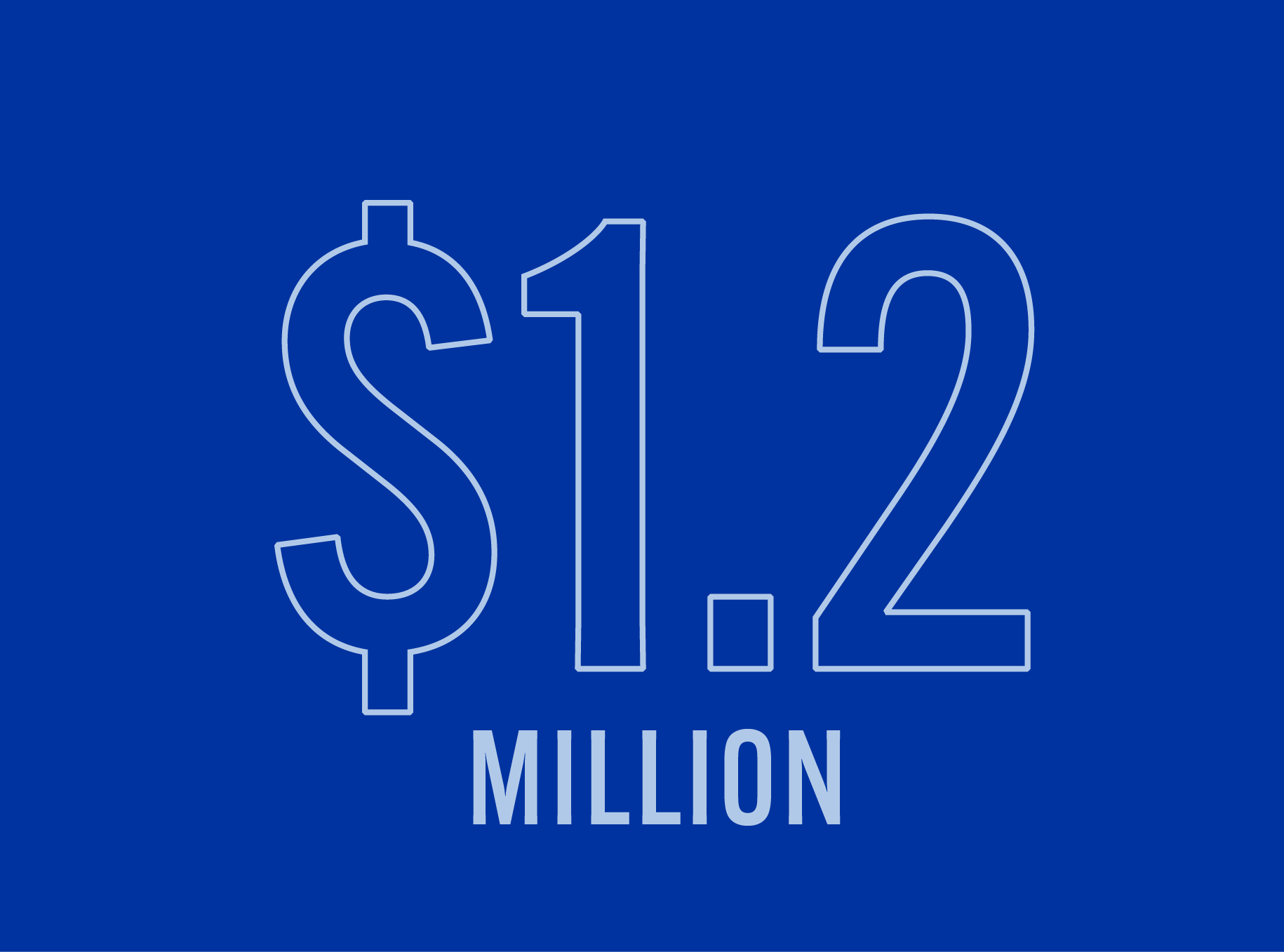
in student scholarships
awarded in 2025-26
We are involved in
RESEARCH THAT MATTERS
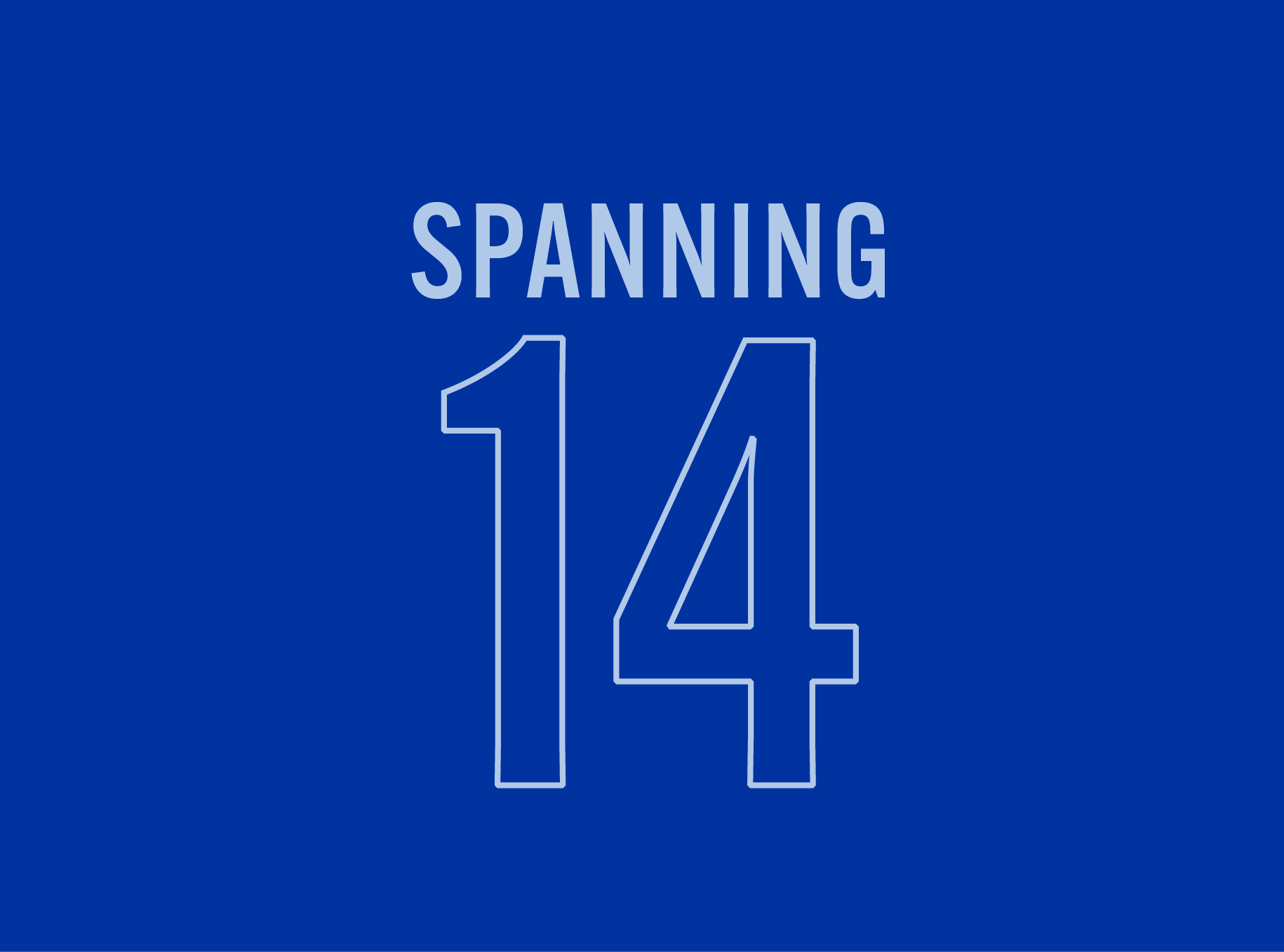
companies created from innovations developed by our faculty and staff
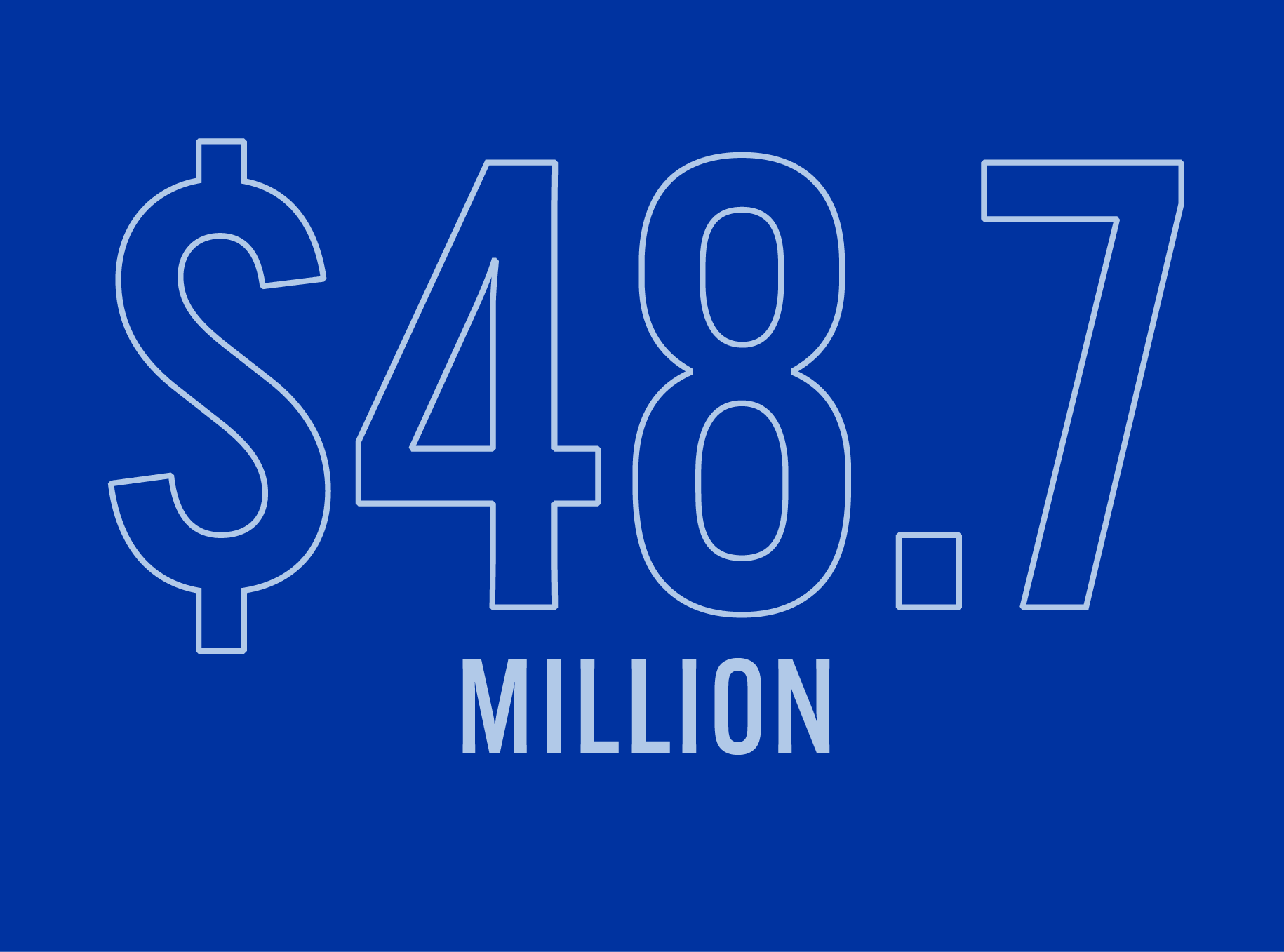
in External research funding (FY25)

acres of farms and forest dedicated
to research and teaching
We are making an
IMPACT IN EVERY COMMUNITY

youth enrolled in 4-H,
fostering future leaders
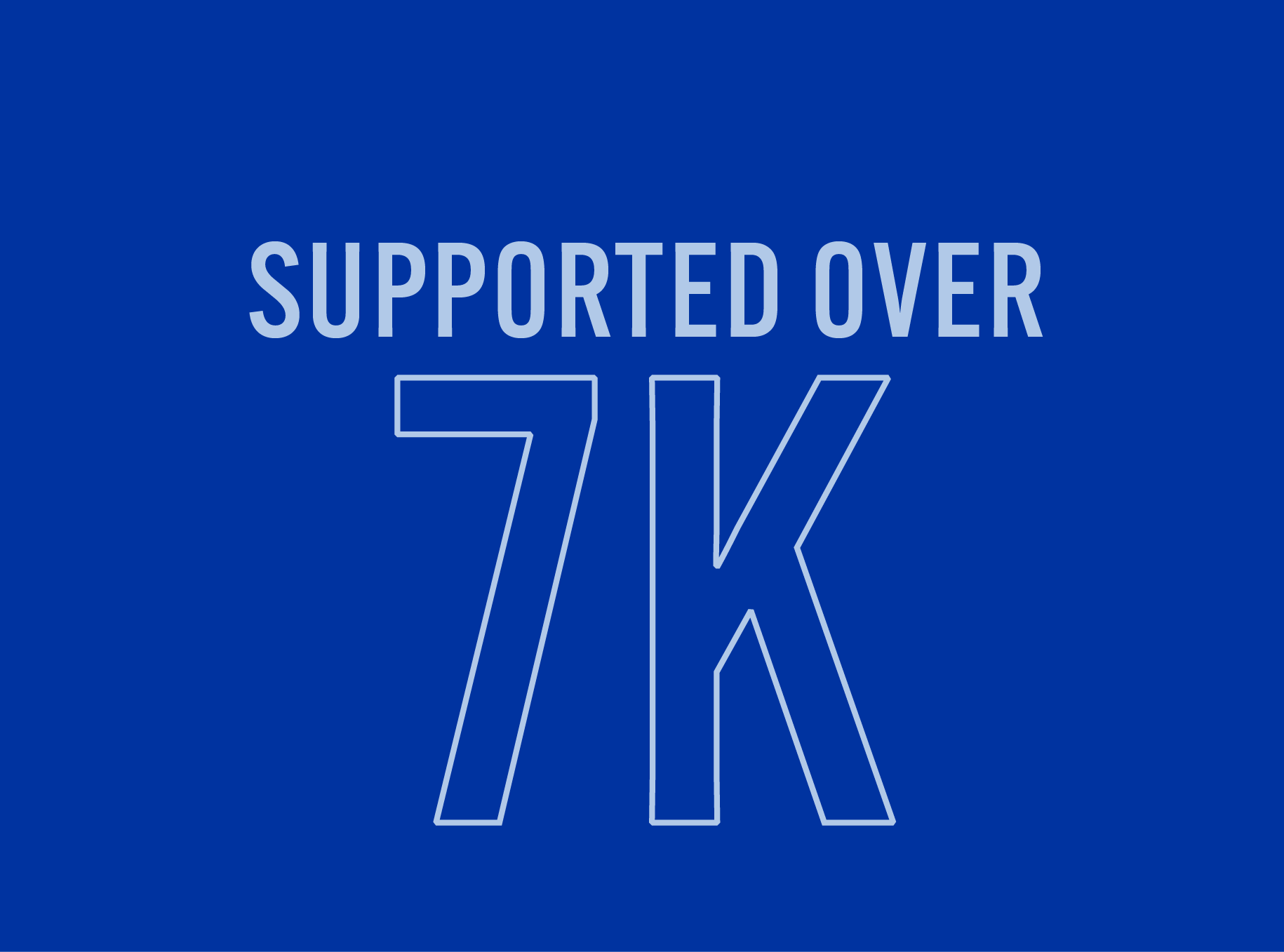
agricultural producers in
adopting sustainable practices

people gained knowledge related
to financial management
Growing Kentucky is an annual magazine produced by the University of Kentucky Martin-Gatton College of Agriculture, Food and Environment.
Dean: Laura Stephenson
Director of Marketing and Communications: Derrick Meads
Editorial Lead: Bailey Vandiver
Art Director: Lynsay Christensen
Multimedia Lead: Brian Volland
Designers/Illustrators: LouRae Stacy, Cate Wollert
Photographers: Matt Barton, Sabrina Hounshell
Writers: Susan Baniak, Christopher Carney, Jennifer Elwell, Lexi Fellows, Grace Sowards, Jordan Strickler, Bailey Vandiver
Alumni Consultant: McKenna Hulette
Extension Consultant: Lexi Fellows
Growing Kentucky is an annual magazine produced by the University of Kentucky Martin-Gatton College of Agriculture, Food and Environment.
Dean: Laura Stephenson
Director of Marketing and Communications: Derrick Meads
Editorial Lead: Bailey Vandiver
Art Director: Lynsay Christensen
Multimedia Lead: Brian Volland
Designers/Illustrators: LouRae Stacy, Cate Wollert
Photographers: Matt Barton, Sabrina Hounshell
Writers: Susan Baniak, Christopher Carney, Jennifer Elwell, Lexi Fellows, Grace Sowards, Jordan Strickler, Bailey Vandiver
Alumni Consultant: McKenna Hulette
Extension Consultant: Lexi Fellows
 Built with Shorthand