
RESEARCH
RESEARCH

BY JORDAN STRICKLER
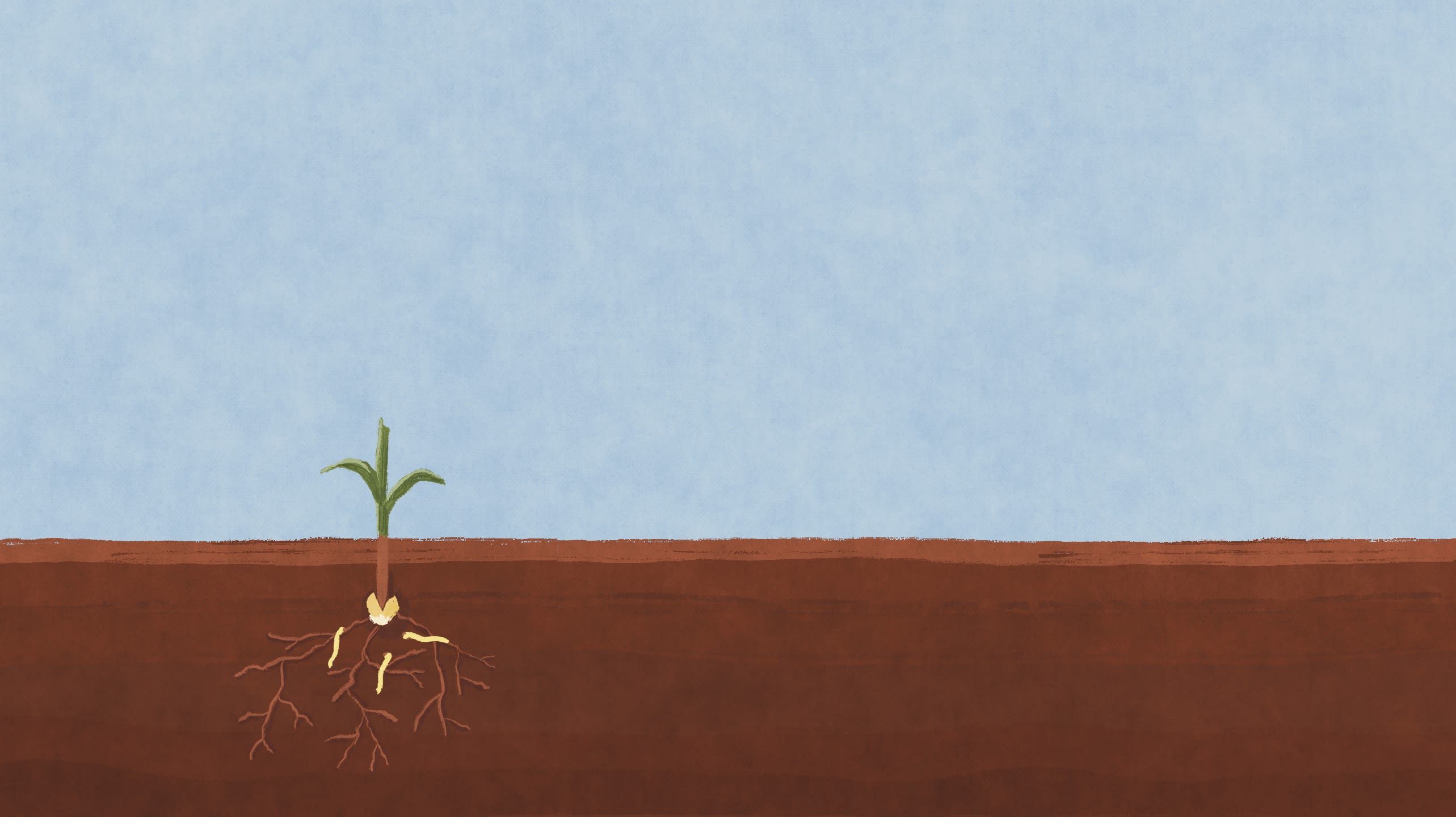
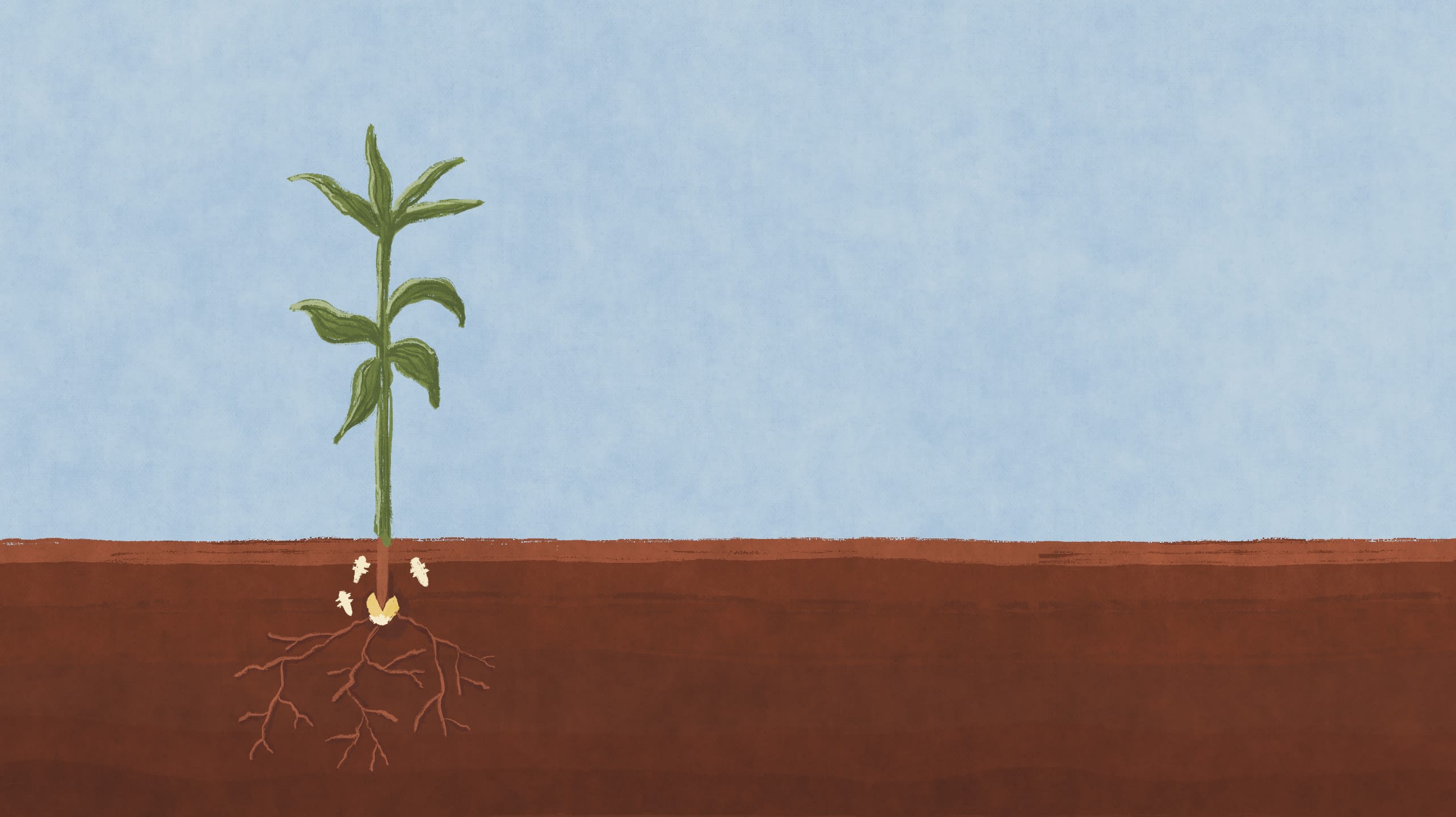
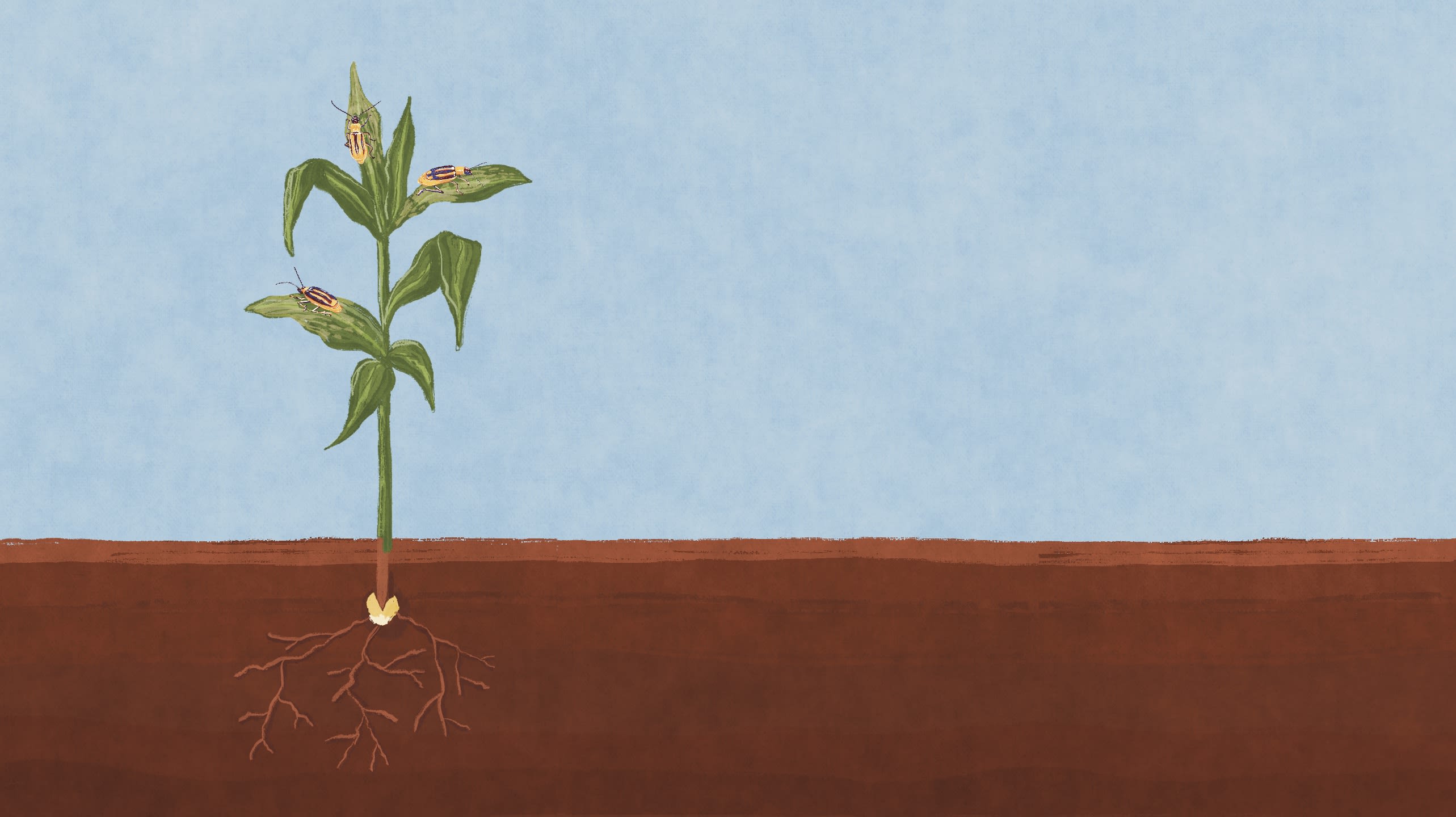
New research from the University of Kentucky’s Martin-Gatton College of Agriculture, Food and Environment reveals how western and northern corn rootworms survive the winter — a costly trick that drains nearly $1 billion from U.S. farmers each year.
The study, published in Current Research in Insect Science, identified mechanisms that regulate an underlying process corn rootworms use called diapause. By pinpointing the genetic mechanisms that help rootworm eggs “pause” underground during the winter, the research may lay the groundwork for improved pest-management strategies.
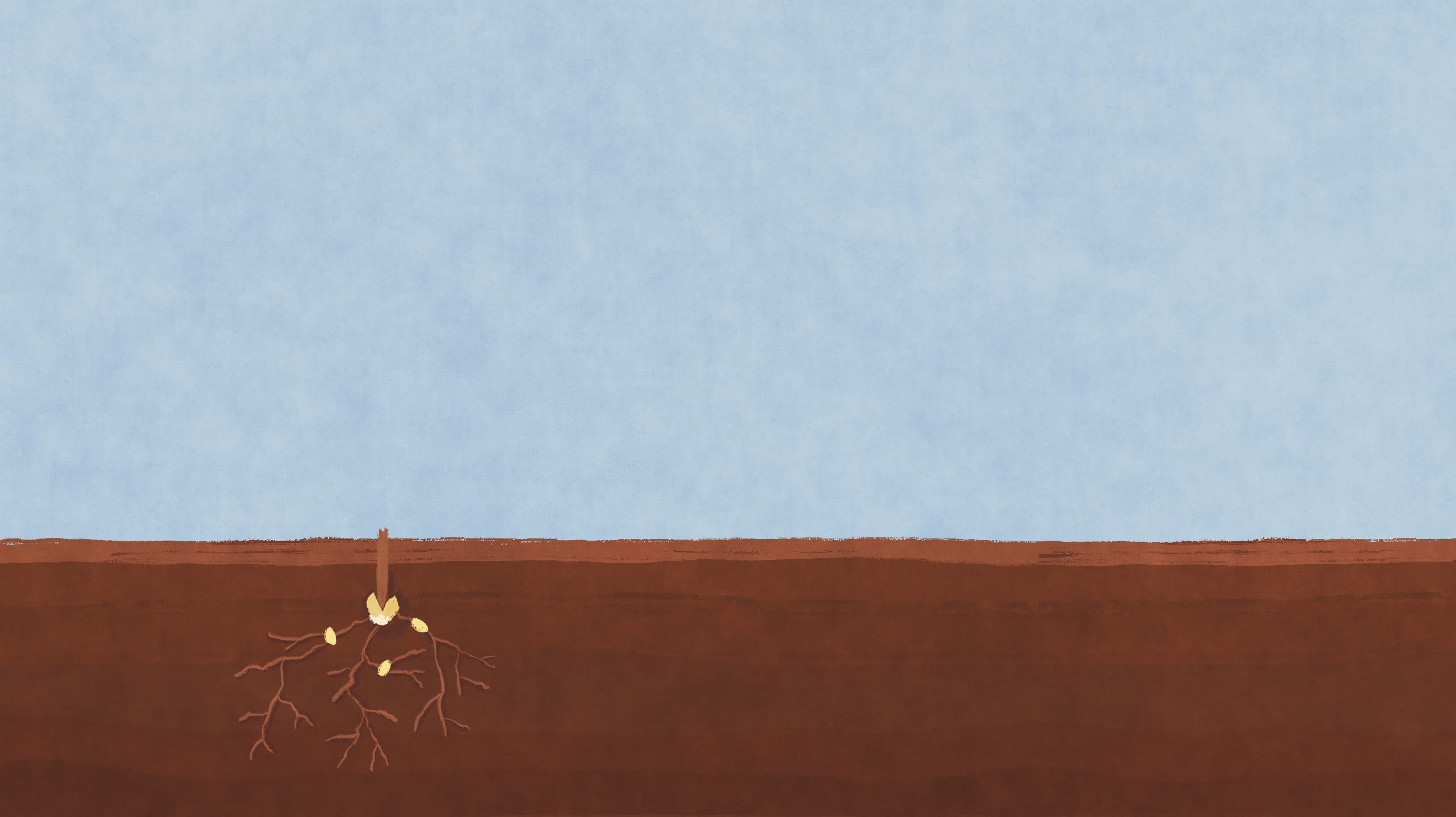
“It’s incredible if you think about it — this tiny embryo in the soil essentially locks in place, waiting for spring,” said Nicholas Teets, an associate professor in the Department of Entomology and one of the study’s lead investigators. “When the conditions improve in spring, it picks up where it left off and hatches right around the time corn roots are available.”
By sequencing rootworm RNA at key moments, the team mapped the gene networks that flip the pause switch on and off. The findings give scientists clear targets for future interventions that might interrupt timing rather than relying only on crop rotation or chemical treatments.
This study is significant for farmers and the agricultural industry because diapause helps corn rootworms synchronize their lifecycle with the planting schedule, emerging just in time to feed on young corn roots. By understanding how these pests orchestrate their genetic pause, scientists can look for ways to disrupt that timing.

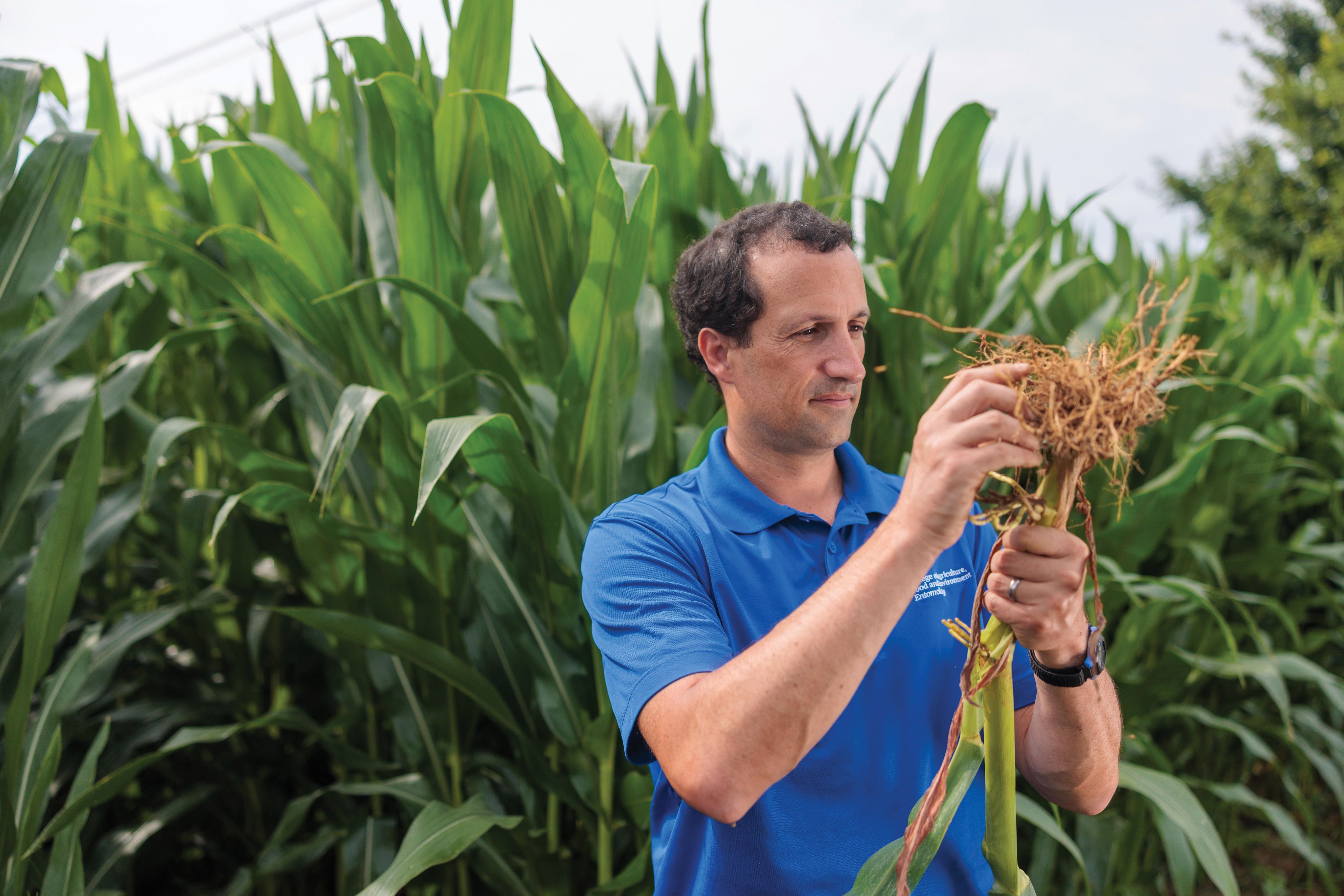
While the current work does not instantly translate into new in-field practices, Teets believes it marks a step in that direction.
“This discovery doesn’t immediately change what farmers do in the field,” Teets said. “But it could lead to new tools in the long run. We’d also like to shorten or skip the diapause phase in laboratory strains of these pests to make research faster, because right now it takes six months or more to go through the full dormant period.”
Because rootworms typically require up to six months of simulated winter to complete a normal diapause cycle, breeding them in the lab is a slow process that holds back efforts to test insecticides or genetic controls. Armed with genetic data from this study, researchers could create colonies that skip or reduce this dormant period, meaning faster turnaround for experiments and potentially speedier development of control measures.
Teets says another longer-range possibility centers on using “gene knockdown” technology to undermine the rootworms’ ability to withstand winter. Scientists have shown that when adult rootworms ingest specific RNA molecules, these molecules pass into the eggs and can disrupt specific genes. If future research pinpoints the genes most critical to diapause, the door could open for new pest-control products designed to disable the eggs’ built-in survival systems. Though such a solution is not yet on the market, it represents a path that may one day help limit the costly damage these pests inflict on cornfields.

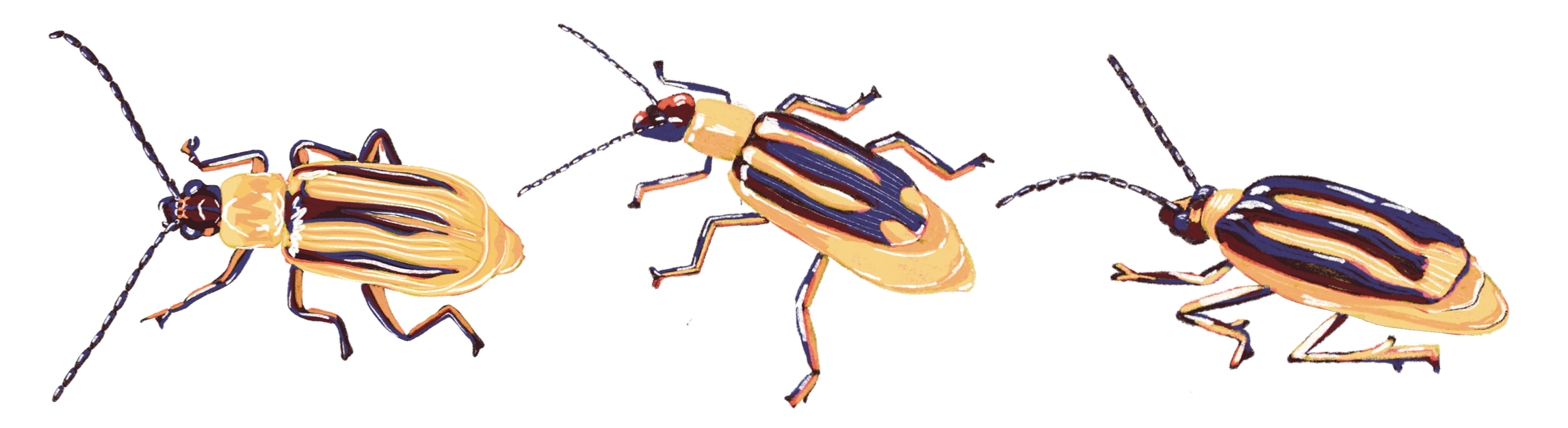
Diapause also explains the rootworm’s knack for beating crop-rotation plans. In parts of the Midwest, northern corn rootworm populations now carry eggs that remain dormant for two winters instead of one. Such flexibility keeps the pest one step ahead of farmers and highlights the need for tools grounded in genetics rather than planting schedules alone.
Research reported in this publication was supported by the U.S. National Science Foundation under Award No. 1821936. The opinions, findings, and conclusions or recommendations expressed are those of the author(s) and do not necessarily reflect the views of the U.S. National Science Foundation.
This material is based upon work that is supported by the National Institute of Food and Agriculture, U.S. Department of Agriculture, Hatch Project under award number 1010996. Any opinions, findings, conclusions or recommendations expressed in this publication are those of the author(s) and do not necessarily reflect the view of the Department of Agriculture.




BY JORDAN STRICKLER
New research from the University of Kentucky’s Martin-Gatton College of Agriculture, Food and Environment reveals how western and northern corn rootworms survive the winter — a costly trick that drains nearly $1 billion from U.S. farmers each year.
The study, published in Current Research in Insect Science, identified mechanisms that regulate an underlying process corn rootworms use called diapause. By pinpointing the genetic mechanisms that help rootworm eggs “pause” underground during the winter, the research may lay the groundwork for improved pest-management strategies.
“It’s incredible if you think about it — this tiny embryo in the soil essentially locks in place, waiting for spring,” said Nicholas Teets, an associate professor in the Department of Entomology and one of the study’s lead investigators. “When the conditions improve in spring, it picks up where it left off and hatches right around the time corn roots are available.”
By sequencing rootworm RNA at key moments, the team mapped the gene networks that flip the pause switch on and off. The findings give scientists clear targets for future interventions that might interrupt timing rather than relying only on crop rotation or chemical treatments.
This study is significant for farmers and the agricultural industry because diapause helps corn rootworms synchronize their lifecycle with the planting schedule, emerging just in time to feed on young corn roots. By understanding how these pests orchestrate their genetic pause, scientists can look for ways to disrupt that timing.
While the current work does not instantly translate into new in-field practices, Teets believes it marks a step in that direction.
“This discovery doesn’t immediately change what farmers do in the field,” Teets said. “But it could lead to new tools in the long run. We’d also like to shorten or skip the diapause phase in laboratory strains of these pests to make research faster, because right now it takes six months or more to go through the full dormant period.”
Because rootworms typically require up to six months of simulated winter to complete a normal diapause cycle, breeding them in the lab is a slow process that holds back efforts to test insecticides or genetic controls. Armed with genetic data from this study, researchers could create colonies that skip or reduce this dormant period, meaning faster turnaround for experiments and potentially speedier development of control measures.
Teets says another longer-range possibility centers on using “gene knockdown” technology to undermine the rootworms’ ability to withstand winter. Scientists have shown that when adult rootworms ingest specific RNA molecules, these molecules pass into the eggs and can disrupt specific genes. If future research pinpoints the genes most critical to diapause, the door could open for new pest-control products designed to disable the eggs’ built-in survival systems. Though such a solution is not yet on the market, it represents a path that may one day help limit the costly damage these pests inflict on cornfields.
Diapause also explains the rootworm’s knack for beating crop-rotation plans. In parts of the Midwest, northern corn rootworm populations now carry eggs that remain dormant for two winters instead of one. Such flexibility keeps the pest one step ahead of farmers and highlights the need for tools grounded in genetics rather than planting schedules alone.
Research reported in this publication was supported by the U.S. National Science Foundation under Award No. 1821936. The opinions, findings, and conclusions or recommendations expressed are those of the author(s) and do not necessarily reflect the views of the U.S. National Science Foundation.
This material is based upon work that is supported by the National Institute of Food and Agriculture, U.S. Department of Agriculture, Hatch Project under award number 1010996. Any opinions, findings, conclusions or recommendations expressed in this publication are those of the author(s) and do not necessarily reflect the view of the Department of Agriculture.

BY JORDAN STRICKLER
Red crown rot, a significant threat to soybean production, has been identified in several counties in Kentucky, marking a concerning development for local farmers. First confirmed in the state in 2021, red crown rot has the potential to severely impact soybean yields. However, strategies are in place to minimize the damage it could cause.
The disease, caused by the fungus Calonectria ilicicola, historically impacted the southern U.S., particularly in Louisiana and Mississippi. However, recent findings indicate red crown rot has spread north, with cases reported in Western Illinois in 2018 and multiple Western Kentucky counties since 2021. The disease primarily affects soybean roots, lower stems and leaves, causing significant plant damage and yield reductions.
Carl Bradley, Martin-Gatton College of Agriculture, Food and Environment plant pathology professor and Extension specialist, described many researchers as surprised when red crown rot appeared in Kentucky. Bradley said some affected fields could experience up to a 50% loss in crop output.
“It was a bit of a shock when red crown rot appeared in Kentucky four years ago,” Bradley said. “We’ve been surveying for it ever since and we’ve now confirmed cases in Graves, Calloway and Carlisle counties.”

Symptoms and Spread
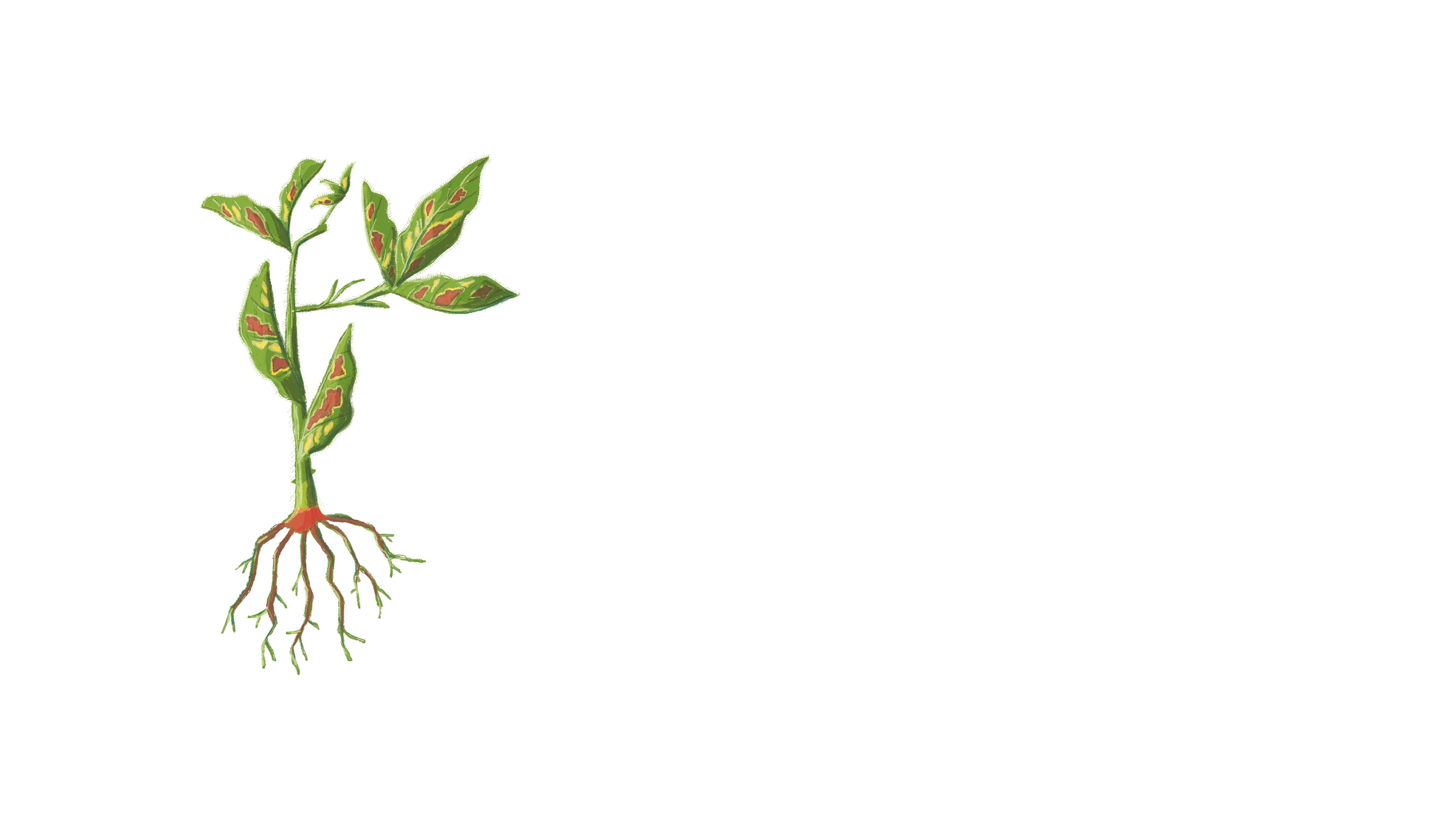
Red crown rot symptoms include yellowing and necrosis (dead tissue) between leaf veins on soybean plants, often appearing during reproductive stages. The disease can be tricky to identify, as its symptoms are similar to other common soybean diseases in Kentucky, such as sudden death syndrome (SDS) and southern stem canker. However, the distinctive red discoloration on lower stems and roots helps differentiate red crown rot from similar-looking diseases.
Research into red crown rot management is ongoing. With grant support from the Kentucky Soybean Promotion Board, Bradley and his team have been working with the University of Illinois to conduct field trials in Western Illinois, where similar outbreaks have been observed. Over the past four years, they have evaluated seed treatments and planting dates to determine the most effective strategies for mitigating the disease.
“We know it’s here and spreading. Farmers must be aware of the risks, especially if they’re growing double-crop soybeans. With the right management strategies, we can minimize the damage, but it’s important to stay on top of it.”
What Farmers Can Do
Early detection and proper management are key. Farmers who suspect the disease in their fields are encouraged to contact their local county Extension office and submit samples to the UK Plant Disease Diagnostic Laboratory for confirmation.
There are currently no in-season rescue treatments available for red crown rot. Instead, farmers must focus on long-term management strategies, such as crop rotation, to reduce the fungus presence in the soil.
Current research focuses on finding more effective seed treatments, and Bradley hopes to explore potential differences in susceptibility among soybean varieties in the future.
“We know it’s here and spreading,” Bradley said. “Farmers must be aware of the risks, especially if they’re growing double-crop soybeans. With the right management strategies, we can minimize the damage, but it’s important to stay on top of it.”



BY JORDAN STRICKLER
Red crown rot, a significant threat to soybean production, has been identified in several counties in Kentucky, marking a concerning development for local farmers. First confirmed in the state in 2021, red crown rot has the potential to severely impact soybean yields. However, strategies are in place to minimize the damage it could cause.
The disease, caused by the fungus Calonectria ilicicola, historically impacted the southern U.S., particularly in Louisiana and Mississippi. However, recent findings indicate red crown rot has spread north, with cases reported in Western Illinois in 2018 and multiple Western Kentucky counties since 2021. The disease primarily affects soybean roots, lower stems and leaves, causing significant plant damage and yield reductions.
Carl Bradley, Martin-Gatton College of Agriculture, Food and Environment plant pathology professor and Extension specialist, described many researchers as surprised when red crown rot appeared in Kentucky. Bradley said some affected fields could experience up to a 50% loss in crop output.
“It was a bit of a shock when red crown rot appeared in Kentucky four years ago,” Bradley said. “We’ve been surveying for it ever since and we’ve now confirmed cases in Graves, Calloway and Carlisle counties.”

Symptoms and Spread
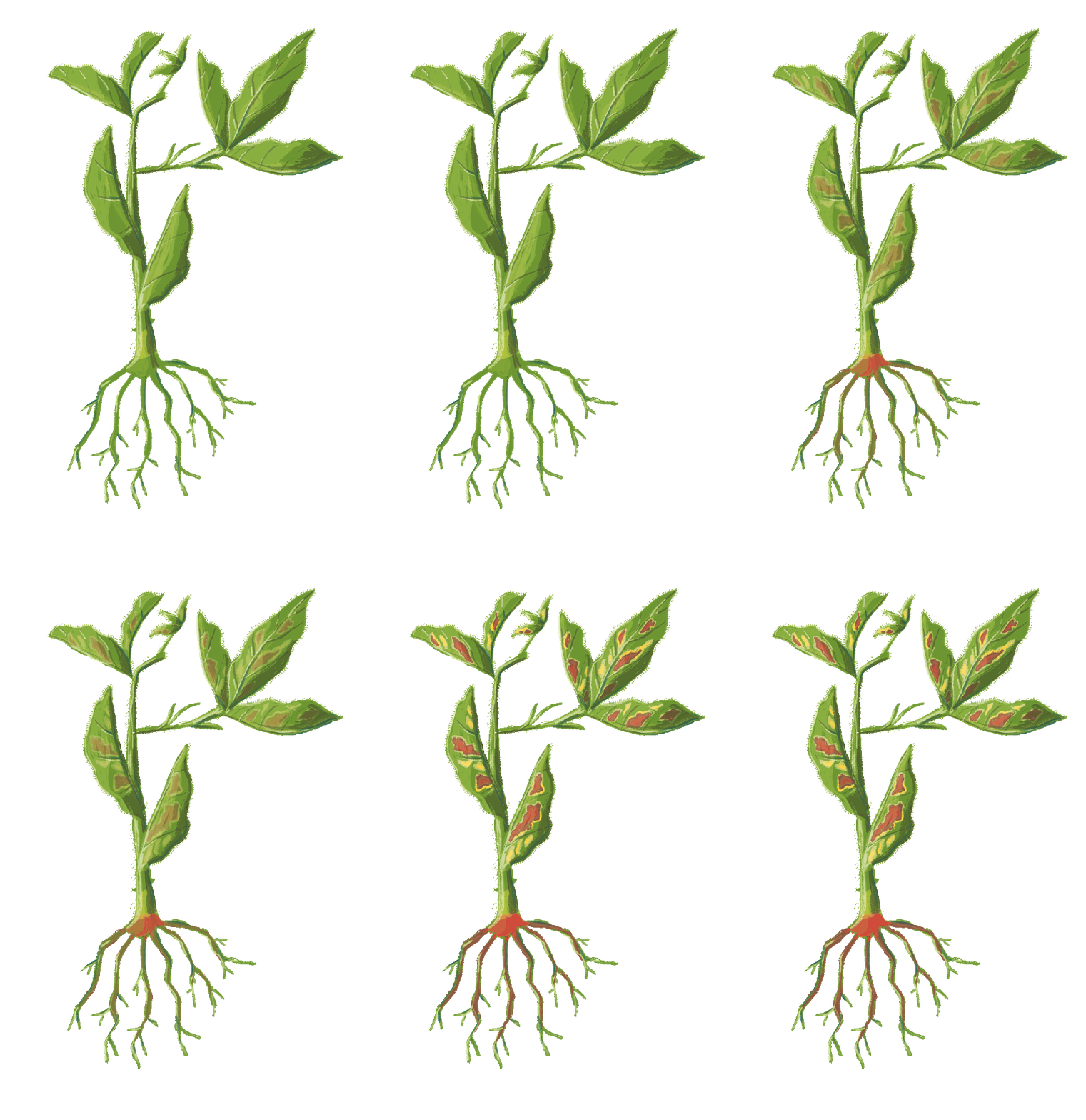
Red crown rot symptoms include yellowing and necrosis (dead tissue) between leaf veins on soybean plants, often appearing during reproductive stages. The disease can be tricky to identify, as its symptoms are similar to other common soybean diseases in Kentucky, such as sudden death syndrome (SDS) and southern stem canker. However, the distinctive red discoloration on lower stems and roots helps differentiate red crown rot from similar-looking diseases.
Research into red crown rot management is ongoing. With grant support from the Kentucky Soybean Promotion Board, Bradley and his team have been working with the University of Illinois to conduct field trials in Western Illinois, where similar outbreaks have been observed. Over the past four years, they have evaluated seed treatments and planting dates to determine the most effective strategies for mitigating the disease.
“We know it’s here and spreading. Farmers must be aware of the risks, especially if they’re growing double-crop soybeans. With the right management strategies, we can minimize the damage, but it’s important to stay on top of it.”
What Farmers Can Do
Early detection and proper management are key. Farmers who suspect the disease in their fields are encouraged to contact their local county Extension office and submit samples to the UK Plant Disease Diagnostic Laboratory for confirmation.
There are currently no in-season rescue treatments available for red crown rot. Instead, farmers must focus on long-term management strategies, such as crop rotation, to reduce the fungus presence in the soil.
Current research focuses on finding more effective seed treatments, and Bradley hopes to explore potential differences in susceptibility among soybean varieties in the future.
“We know it’s here and spreading,” Bradley said. “Farmers must be aware of the risks, especially if they’re growing double-crop soybeans. With the right management strategies, we can minimize the damage, but it’s important to stay on top of it.”


SUPPORTING ANIMALS, AGRICULTURE AND PUBLIC HEALTH
BY JORDAN STRICKLER
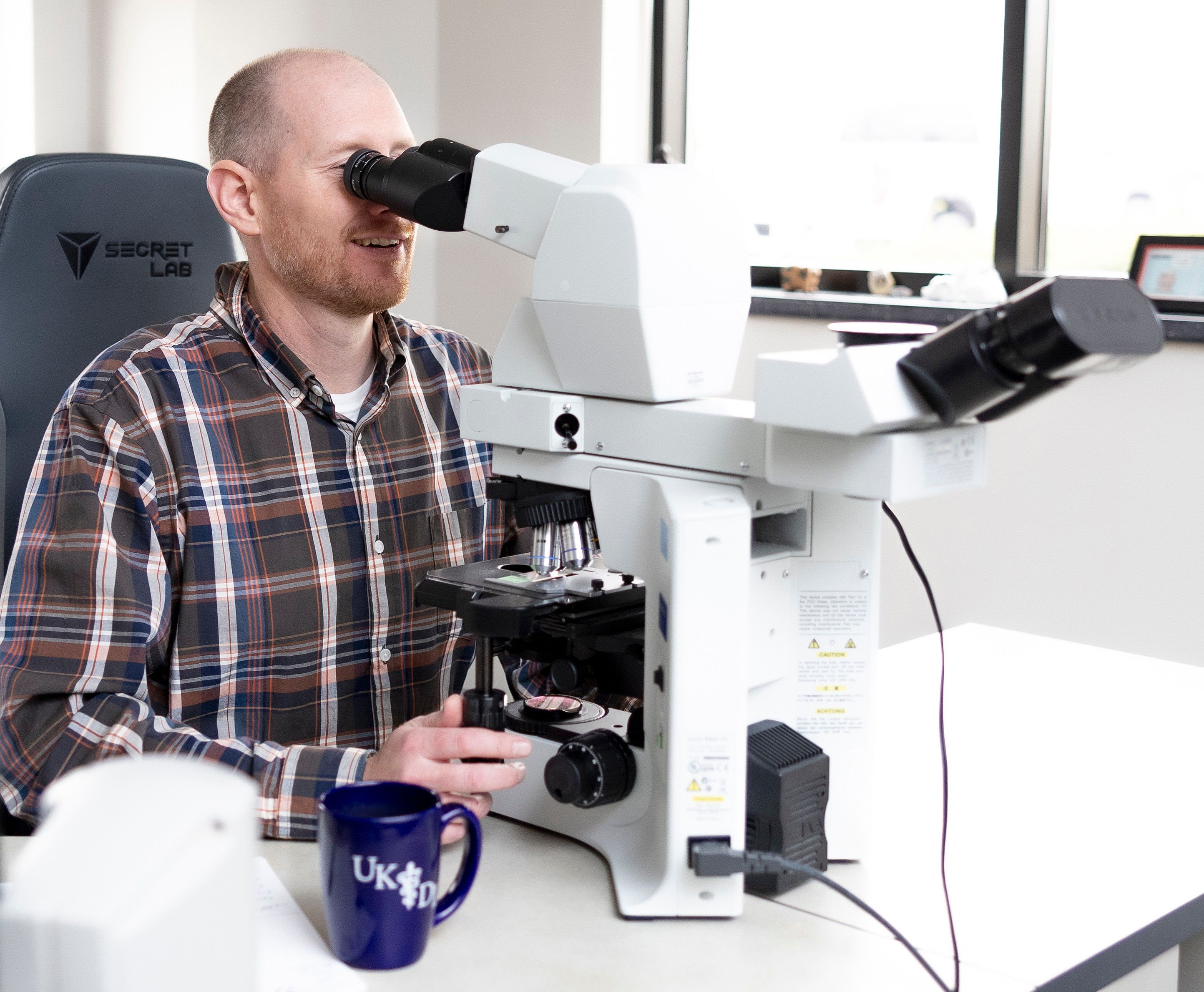
The University of Kentucky Veterinary Diagnostic Laboratory (UKVDL) is not merely an animal clinic or hospital; it is a highly specialized operation that combines science with necessity.
The University of Kentucky Veterinary Diagnostic Laboratory (UKVDL) at the Martin-Gatton College of Agriculture, Food and Environment is the quiet engine that keeps the Commonwealth’s animal industries moving. From beef cattle and backyard chickens to Thoroughbreds, the lab’s findings guide treatment decisions, stop outbreaks and, when needed, alert public health officials.
Founded in 1970, UKVDL now handles more than 300,000 laboratory tests and 3,500 necropsies (animal autopsies) each year for roughly 3,000 veterinary clinics, farmers and state or federal agencies. Craig Carter, director emeritus, sums up the mission in plain terms: protect animal and human health by delivering fast, trustworthy answers.
“Our job is to find answers — answers that veterinarians, farmers and animal owners rely on to save lives or protect livelihoods,” Carter said. “Every test we run or necropsy we perform is about providing clarity and solutions in situations where the stakes can be incredibly high.”
“Every case we handle has a story behind it. A family’s livelihood, an animal’s life, a veterinarian’s reputation — all of these hinge on the answers we provide. That’s a responsibility we never take lightly.”
Many of those answers begin on the necropsy floor. When a cattle producer recently lost several animals without warning, pathologists examined one carcass, collected tissues and ran toxicology, bacteriology and molecular assays. They traced the deaths to arsenic leaching from decayed fence posts — information that let the farmer replace the wood and end the losses.
Nearly half of all necropsies involved at the facility involve horses, reflecting Kentucky’s signature industry. During a recent foaling season, UKVDL teams working with national partners traced an outbreak of deadly foal diarrhea to a previously unseen strain of rotavirus, reshaping farm biosecurity plans and sparking vaccine research.
Toxicology Chief Megan Romano focuses on mysteries that hinge on poisons, plants or drug interactions. She recalls a barn where several horses might have eaten rat bait scattered in the feed room.
“By testing the horses’ blood, we could identify which animals had been exposed and needed treatment,” Romano said. “That meant the others didn’t have to go through unnecessary procedures, which saved the owner money and kept the unaffected animals comfortable. In cases like that, you see how much of a difference our work can make.”
Education is another pillar of the lab. Senior veterinary students from Lincoln Memorial University spend two weeks on site, learning how to match clinical histories with test results, communicate findings and hone their animal autopsy skills. Outreach programs, including “pathology roadshows” that visit classrooms and fairs, introduce young Kentuckians to scientific careers they may never have considered.
The lab also stands guard for the National Animal Health Laboratory Network. Scientists watch for pathogens that can move from animals to people — avian influenza, leptospirosis, rabies and more — and share data with state and federal officials. When COVID-19 strained human medical diagnostic lab capacity, UKVDL became certified to process human PCR samples, joining more than 20 U.S. veterinary labs that shouldered the burden.
Data gathered over decades by the UKVDL enable longer-term studies. By reviewing historical results, researchers have linked new syndromes to specific feed additives, tracked the spread of parasites as climate zones shift and helped pharmaceutical companies measure the real-world benefit of vaccines. Each discovery loops back to veterinarians and producers through daily reports and continuing education seminars.


SUPPORTING ANIMALS, AGRICULTURE AND PUBLIC HEALTH
BY JORDAN STRICKLER
The University of Kentucky Veterinary Diagnostic Laboratory (UKVDL) is not merely an animal clinic or hospital; it is a highly specialized operation that combines science with necessity.
The University of Kentucky Veterinary Diagnostic Laboratory (UKVDL) at the Martin-Gatton College of Agriculture, Food and Environment is the quiet engine that keeps the Commonwealth’s animal industries moving. From beef cattle and backyard chickens to Thoroughbreds, the lab’s findings guide treatment decisions, stop outbreaks and, when needed, alert public health officials.
Founded in 1970, UKVDL now handles more than 300,000 laboratory tests and 3,500 necropsies (animal autopsies) each year for roughly 3,000 veterinary clinics, farmers and state or federal agencies. Craig Carter, director emeritus, sums up the mission in plain terms: protect animal and human health by delivering fast, trustworthy answers.
“Our job is to find answers — answers that veterinarians, farmers and animal owners rely on to save lives or protect livelihoods,” Carter said. “Every test we run or necropsy we perform is about providing clarity and solutions in situations where the stakes can be incredibly high.”
“Every case we handle has a story behind it. A family’s livelihood, an animal’s life, a veterinarian’s reputation — all of these hinge on the answers we provide. That’s a responsibility we never take lightly.”
Many of those answers begin on the necropsy floor. When a cattle producer recently lost several animals without warning, pathologists examined one carcass, collected tissues and ran toxicology, bacteriology and molecular assays. They traced the deaths to arsenic leaching from decayed fence posts — information that let the farmer replace the wood and end the losses.
Nearly half of all necropsies involved at the facility involve horses, reflecting Kentucky’s signature industry. During a recent foaling season, UKVDL teams working with national partners traced an outbreak of deadly foal diarrhea to a previously unseen strain of rotavirus, reshaping farm biosecurity plans and sparking vaccine research.
Toxicology Chief Megan Romano focuses on mysteries that hinge on poisons, plants or drug interactions. She recalls a barn where several horses might have eaten rat bait scattered in the feed room.

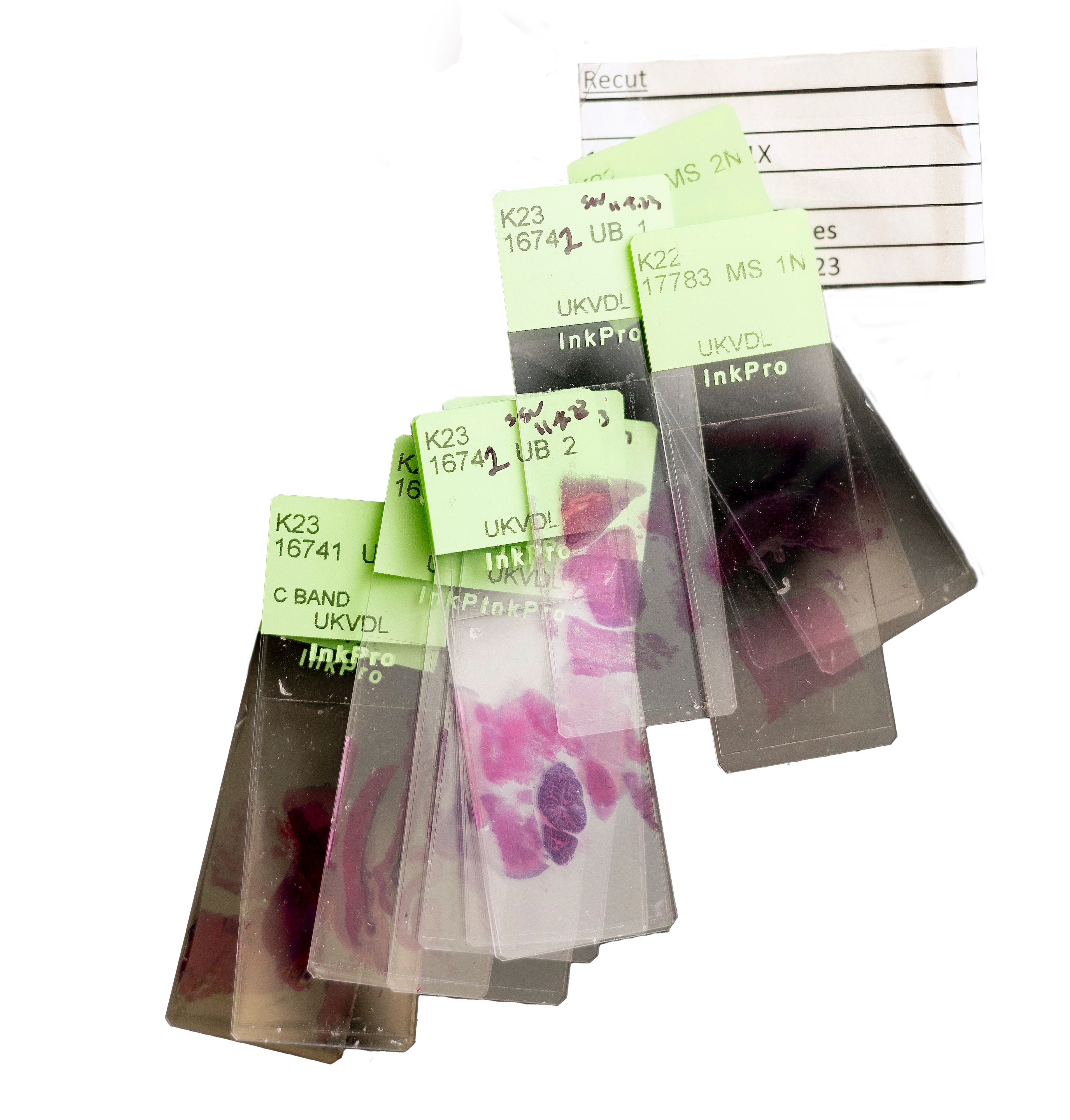
“By testing the horses’ blood, we could identify which animals had been exposed and needed treatment,” Romano said. “That meant the others didn’t have to go through unnecessary procedures, which saved the owner money and kept the unaffected animals comfortable. In cases like that, you see how much of a difference our work can make.”
Education is another pillar of the lab. Senior veterinary students from Lincoln Memorial University spend two weeks on site, learning how to match clinical histories with test results, communicate findings and hone their animal autopsy skills. Outreach programs, including “pathology roadshows” that visit classrooms and fairs, introduce young Kentuckians to scientific careers they may never have considered.
The lab also stands guard for the National Animal Health Laboratory Network. Scientists watch for pathogens that can move from animals to people — avian influenza, leptospirosis, rabies and more — and share data with state and federal officials. When COVID-19 strained human medical diagnostic lab capacity, UKVDL became certified to process human PCR samples, joining more than 20 U.S. veterinary labs that shouldered the burden.
Data gathered over decades by the UKVDL enable longer-term studies. By reviewing historical results, researchers have linked new syndromes to specific feed additives, tracked the spread of parasites as climate zones shift and helped pharmaceutical companies measure the real-world benefit of vaccines. Each discovery loops back to veterinarians and producers through daily reports and continuing education seminars.


BY BAILEY VANDIVER

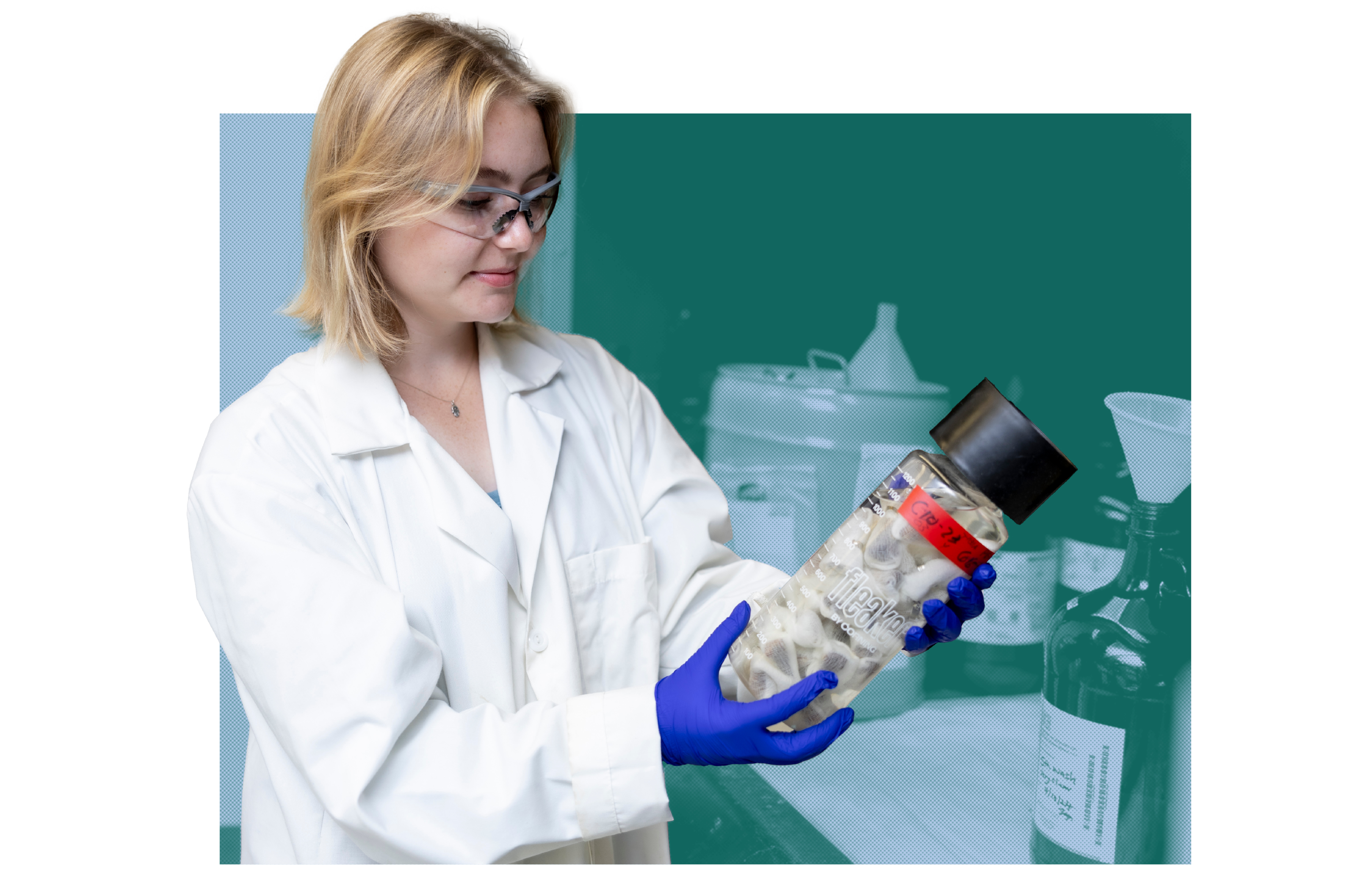
Molly Lobel found “joy and pride” in the research she did as an undergraduate at the University of Kentucky Martin-Gatton College of Agriculture, Food and Environment.
And that research prepared Lobel, who graduated in May 2025 with a degree in animal sciences on the pre-veterinary track, for what came next: veterinary school at the University of Georgia College of Veterinary Medicine.
From Roswell, Georgia, Lobel has long known she wanted to be a veterinarian, which led her to UK.
“I always knew I wanted to be a veterinarian. It’s been like my one path, and I haven’t really strayed away,” she said. “I was really looking for somewhere that had a really strong animal science program that would get you those hands-on experiences because that’s what veterinary school is going to be.”
Research, though, was less on her radar. As a hopeful one-day vet, Lobel had worked in veterinary clinics, but she thought research was just “pipetting in a lab.” UK gave her the opportunity to learn what research can be — and fall in love with it.
For several years as an undergraduate, Lobel worked in the lab of Tayo Adedokun, associate professor in the Department of Animal and Food Sciences, researching heat stress and mycotoxin contamination of feed for poultry — research that will help the poultry industry adapt to environmental changes.
“I’ve gotten confidence. I’ve gotten the strength to walk into my lab and say, ‘I know what I’m about to do.’ I’ve learned things that I now get to actually apply to real life.”
Adedokun said Lobel was “outstanding” in the lab, and he echoed the joy that comes from getting good data or being published. “More importantly, the level of joy that I experience when my students become successful is indescribable,” Adedokun said.
Eric Vanzant, associate professor in the Department of Animal and Food Sciences, was another mentor of Lobel’s and said he admires that Lobel is “an ambassador for critical thinking” in her daily life.
“She consistently challenges those around her, including her professors, to think more deeply and critically,” Vanzant said. “By modeling ‘professional inquisitiveness,’ I believe Molly has inspired confidence in others to question the status quo. This is an invaluable trait for any researcher.”
Lobel said Vanzant helped her “refine” the questions she came into college with and “not only find answers but also create solutions.”
“Of course, my research has largely shaped my views of the field. Moving forward, I would like to dedicate my learning and eventual career in vet med to focusing on and improving animal ethics and overall treatment,” Lobel said. “I have recently focused on the use of animals for research and making it a mutual practice between human and animal. Implementing the utmost care for our research animals will only strengthen our data.”
Lobel said UK “will continue to forever hold a special place in my heart” as she moved on to veterinary school and toward her future career.
“Being a veterinarian is the most limitless job,” she said.

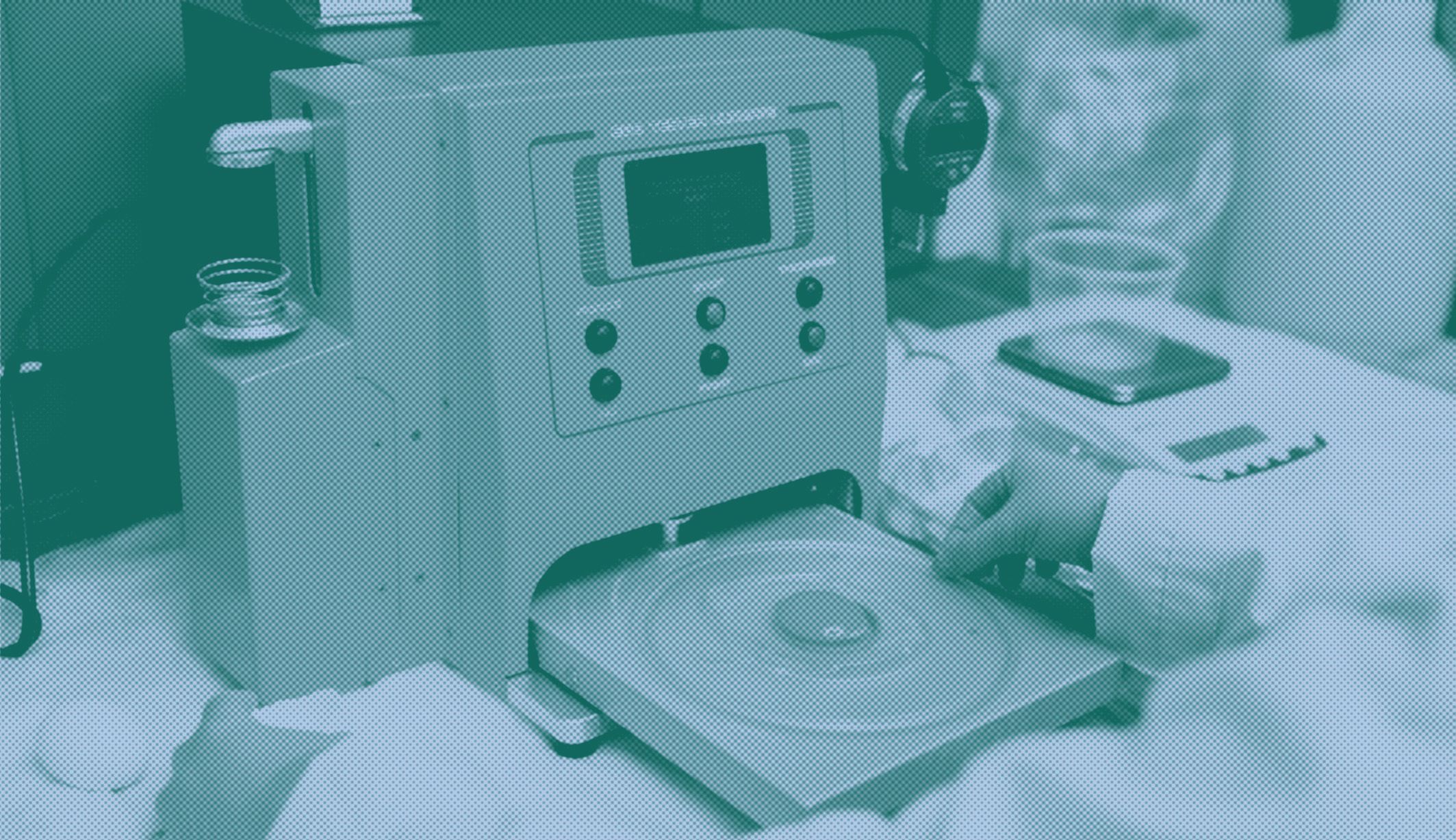
BY BAILEY VANDIVER
Molly Lobel found “joy and pride” in the research she did as an undergraduate at the University of Kentucky Martin-Gatton College of Agriculture, Food and Environment.
And that research prepared Lobel, who graduated in May 2025 with a degree in animal sciences on the pre-veterinary track, for what came next: veterinary school at the University of Georgia College of Veterinary Medicine.
From Roswell, Georgia, Lobel has long known she wanted to be a veterinarian, which led her to UK.
“I always knew I wanted to be a veterinarian. It’s been like my one path, and I haven’t really strayed away,” she said. “I was really looking for somewhere that had a really strong animal science program that would get you those hands-on experiences because that’s what veterinary school is going to be.”
Research, though, was less on her radar. As a hopeful one-day vet, Lobel had worked in veterinary clinics, but she thought research was just “pipetting in a lab.” UK gave her the opportunity to learn what research can be — and fall in love with it.
For several years as an undergraduate, Lobel worked in the lab of Tayo Adedokun, associate professor in the Department of Animal and Food Sciences, researching heat stress and mycotoxin contamination of feed for poultry — research that will help the poultry industry adapt to environmental changes.
“I’ve gotten confidence. I’ve gotten the strength to walk into my lab and say, ‘I know what I’m about to do.’ I’ve learned things that I now get to actually apply to real life.”
Adedokun said Lobel was “outstanding” in the lab, and he echoed the joy that comes from getting good data or being published. “More importantly, the level of joy that I experience when my students become successful is indescribable,” Adedokun said.
Eric Vanzant, associate professor in the Department of Animal and Food Sciences, was another mentor of Lobel’s and said he admires that Lobel is “an ambassador for critical thinking” in her daily life.
“She consistently challenges those around her, including her professors, to think more deeply and critically,” Vanzant said. “By modeling ‘professional inquisitiveness,’ I believe Molly has inspired confidence in others to question the status quo. This is an invaluable trait for any researcher.”
Lobel said Vanzant helped her “refine” the questions she came into college with and “not only find answers but also create solutions.”
“Of course, my research has largely shaped my views of the field. Moving forward, I would like to dedicate my learning and eventual career in vet med to focusing on and improving animal ethics and overall treatment,” Lobel said. “I have recently focused on the use of animals for research and making it a mutual practice between human and animal. Implementing the utmost care for our research animals will only strengthen our data.”
Lobel said UK “will continue to forever hold a special place in my heart” as she moved on to veterinary school and toward her future career.
“Being a veterinarian is the most limitless job,” she said.


Growing Kentucky is an annual magazine produced by the University of Kentucky Martin-Gatton College of Agriculture, Food and Environment.
Dean: Laura Stephenson
Director of Marketing and Communications: Derrick Meads
Editorial Lead: Bailey Vandiver
Art Director: Lynsay Christensen
Multimedia Lead: Brian Volland
Designers/Illustrators: LouRae Stacy, Cate Wollert
Photographers: Matt Barton, Sabrina Hounshell
Writers: Susan Baniak, Christopher Carney, Jennifer Elwell, Lexi Fellows, Grace Sowards, Jordan Strickler, Bailey Vandiver
Alumni Consultant: McKenna Hulette
Extension Consultant: Lexi Fellows
Growing Kentucky is an annual magazine produced by the University of Kentucky Martin-Gatton College of Agriculture, Food and Environment.
Dean: Laura Stephenson
Director of Marketing and Communications: Derrick Meads
Editorial Lead: Bailey Vandiver
Art Director: Lynsay Christensen
Multimedia Lead: Brian Volland
Designers/Illustrators: LouRae Stacy, Cate Wollert
Photographers: Matt Barton, Sabrina Hounshell
Writers: Susan Baniak, Christopher Carney, Jennifer Elwell, Lexi Fellows, Grace Sowards, Jordan Strickler, Bailey Vandiver
Alumni Consultant: McKenna Hulette
Extension Consultant: Lexi Fellows
 Built with Shorthand